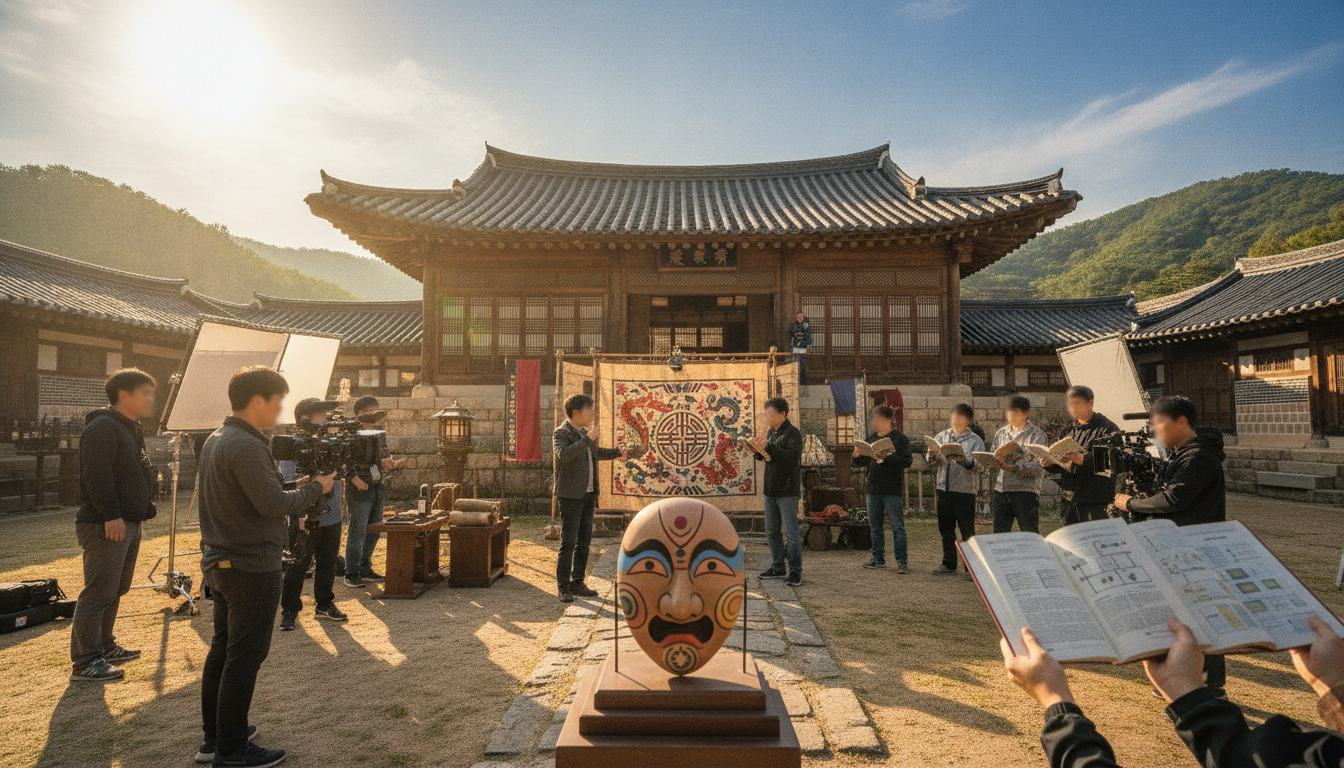
Hello, fellow K-drama enthusiasts! As we navigate the exciting landscape of K-dramas in 2026, it’s clearer than ever that these shows are more than just captivating stories and stunning visuals. They are rich tapestries woven with deliberate symbolism, hidden meanings, and cultural nuances that deepen our viewing experience. If you’ve ever felt a drama resonated with you on a profound level, beyond the plot, it’s likely because you were subconsciously picking up on these intricate layers. Today, we’re going on a deep dive into K-drama symbolism, exploring how creators use subtle cues to enrich their narratives and challenge us to look closer. Understanding these theories isn’t just an academic exercise; it’s a practical skill that transforms passive watching into an active, rewarding exploration.
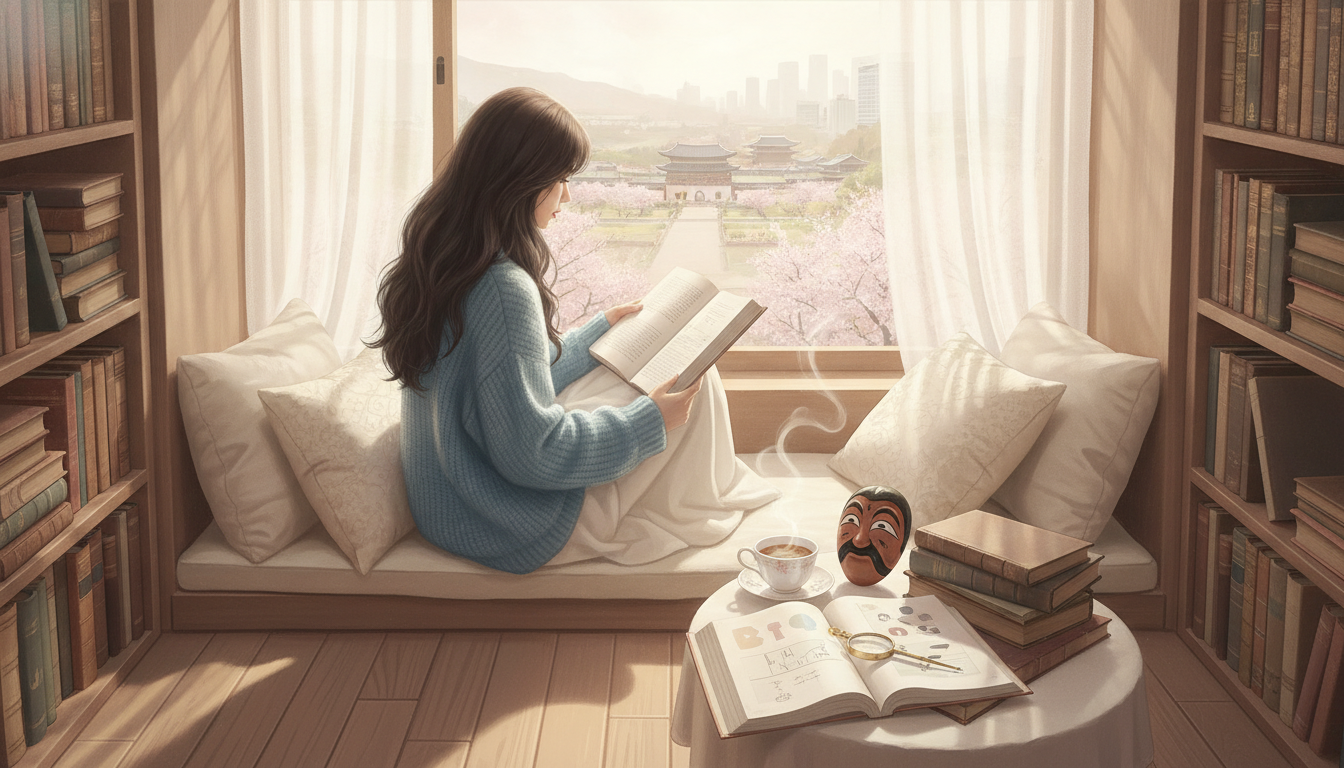
The K-drama industry continues its impressive global expansion, with major streaming platforms investing billions of dollars annually into original Korean content. This unprecedented investment isn’t just leading to higher production values; it’s also fostering increasingly sophisticated storytelling, where every detail, from a character’s outfit to a fleeting shot of a specific flower, can carry significant weight. As critics and fans, our job is to peel back these layers, and trust me, the journey is incredibly rewarding.
The Language of Objects: Everyday Items as Metaphor
One of the most accessible entry points into K-drama symbolism is through the everyday objects characters interact with. These aren’t just props; they are often silent narrators, imbued with emotional weight, foreshadowing, or representing a character’s internal state or relationships. Think about the iconic yellow umbrella from the 2024 hit series Lovely Runner. What initially seemed like a simple rain accessory quickly transformed into a powerful motif for fate, first encounters, and the protective, guiding presence of love across time. It wasn’t just an umbrella; it was a symbol of destiny.
Similarly, consider the strategic use of chess pieces in a drama like The Glory. Each piece didn’t just represent a character; it symbolized their role in the intricate game of revenge, their power dynamics, and their ultimate fate. The queen, the knight, the pawn—all took on significant symbolic roles that dictated the narrative’s emotional thrust. When you see an object highlighted in a scene, perhaps lingering a moment too long, or appearing repeatedly in different contexts, pause and ask yourself: what could this truly represent? Is it a character’s hope, their burden, or a clue to their hidden intentions? Keep a mental note, or even a literal one, of these recurring items.
Color Theory in K-Dramas: More Than Just Aesthetics
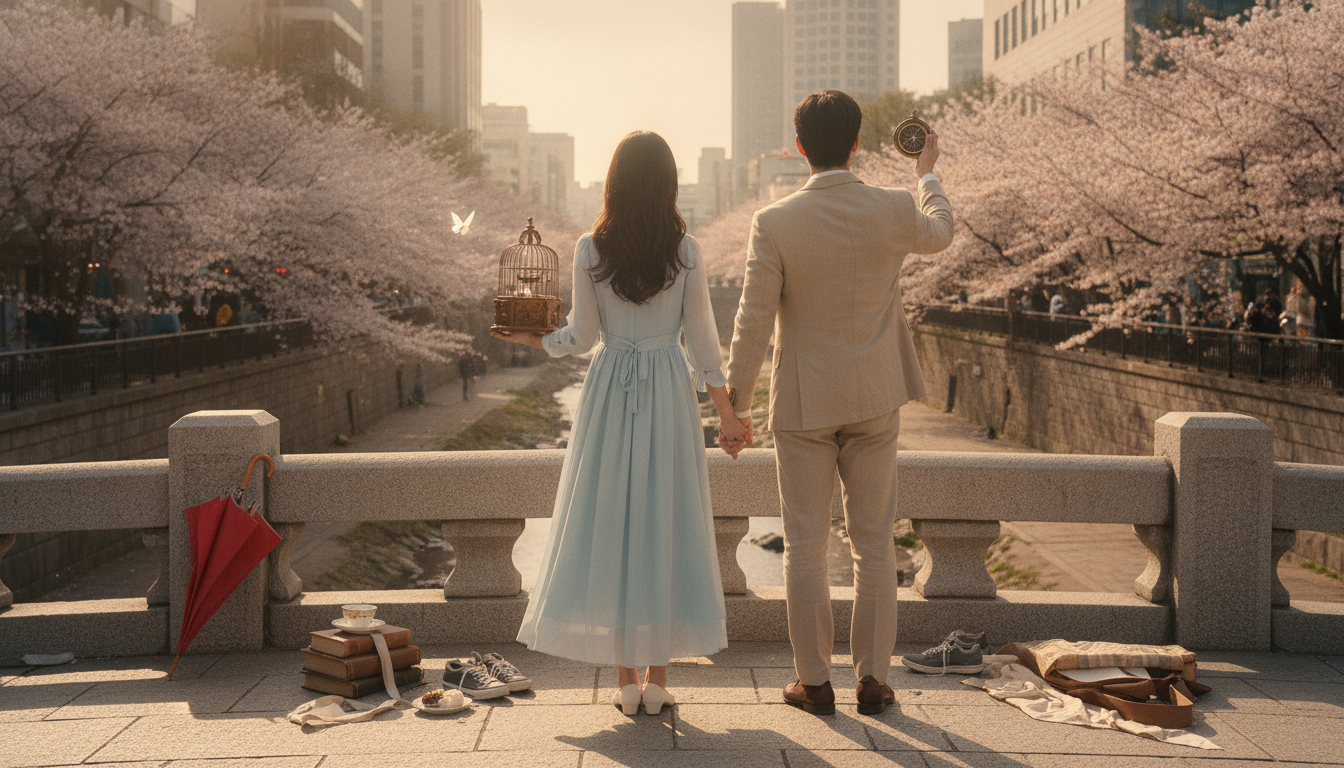
Colors in K-dramas are rarely chosen by accident. They are a powerful, non-verbal communication tool used to convey mood, define character arcs, and even foreshadow events. Directors and costume designers meticulously select palettes that complement the narrative, often drawing from universal color psychology and specific Korean cultural associations. For instance, red often symbolizes passion, danger, or power, while blue can represent sadness, calm, or mystery. Green might signify growth, jealousy, or nature.
A brilliant recent example of this is seen in the 2024 sensation Queen of Tears, starring the incredibly versatile actor Kim Soo-hyun. Hong Hae-in, his character’s wife, often wore striking red and black outfits in her corporate persona, signifying her formidable power, ambition, and the intense pressure she faced. These bold choices contrasted sharply with the softer, more subdued pastels or earthy tones she adopted in moments of vulnerability or when seeking comfort. Baek Hyun-woo, played by Kim Soo-hyun, often appeared in calming greens or blues, reflecting his grounded nature and his role as a source of stability. Observing these color choices can offer profound insights into character development and their emotional journeys, revealing unspoken truths about their inner worlds. Pay close attention not just to clothing, but also to set design, lighting, and even the color of food.
Nature’s Whispers: Plants, Animals, and Weather as Omens
The natural world frequently plays a symbolic role in K-dramas, acting as a mirror to characters’ emotions, foretelling future events, or commenting on the transient nature of life and relationships. From the blossoming of cherry trees symbolizing fleeting beauty and new beginnings, to persistent rain representing sorrow or cleansing, nature is a silent, yet potent, character in itself.
Consider the iconic buckwheat flowers from the beloved drama Goblin. These delicate white flowers, often associated with first love, sincerity, and remembrance in Korean culture, became a poignant symbol of Kim Shin and Ji Eun-tak’s destined connection and their enduring love. Their appearance always signaled a moment of profound emotional significance or a deepening of their bond. Similarly, certain animals can carry symbolic weight: a lone bird might represent freedom or loneliness, while a specific insect could hint at transformation or an impending change. Even the weather can be symbolic; a sudden storm might mirror inner turmoil, while a clear sky could signify hope or clarity. Learning common Korean cultural associations with different natural elements can significantly enhance your appreciation of these subtle symbolic cues.
Architectural Symbolism: Spaces That Tell a Story
Beyond the characters and their immediate surroundings, the very spaces they inhabit or frequent are often laden with symbolic meaning. Architecture in K-dramas is not merely a backdrop; it often reflects social status, psychological states, and the barriers or connections between individuals. Grand, opulent mansions might symbolize wealth and power, but also confinement, loneliness, or the suffocating weight of expectations. Small, humble rooftop apartments, conversely, often represent freedom, resilience, and the dreams of ordinary people.
In Queen of Tears, the stark contrast between the imposing, almost labyrinthine Queens Group mansion and the cozy, community-oriented village of Yongdu-ri was a masterstroke of architectural symbolism. The mansion represented the cold, calculating world of chaebol power struggles and emotional distance, while Yongdu-ri embodied warmth, genuine connection, and simple joys. A character’s movement between these spaces wasn’t just a change of location; it was a journey between different value systems and emotional landscapes. Even specific rooms—a dimly lit study, a bright kitchen, a secluded garden—can hold unique symbolic weight, revealing aspects of a character’s inner life or their relationships.
Quick Summary
Decoding K-drama symbolism transforms your viewing experience from passive entertainment into an active, engaging exploration. By paying attention to the language of objects, the deliberate use of color, the whispers of nature, and the stories told by architectural spaces, you unlock deeper layers of meaning and gain a profound appreciation for the artistry of K-drama creators. Keep an eye out for recurring motifs, unusual details, and cultural allusions, and you’ll find yourself connecting with these narratives on an entirely new level. Happy symbolic hunting!
Found this helpful? Bookmark us! ⭐