
Hello, K-Screen Fam! It’s May 31, 2026, and as your resident K-drama critic and enthusiast, I’m thrilled to dive into one of my absolute favorite aspects of our beloved genre: the Korean drama OST soundtrack. If you’re anything like me, you know that the right song can elevate a scene from good to legendary, making your heart pound or tears flow with perfect precision. 2026 is shaping up to be another banner year for K-drama soundtracks, pushing boundaries and captivating ears worldwide.
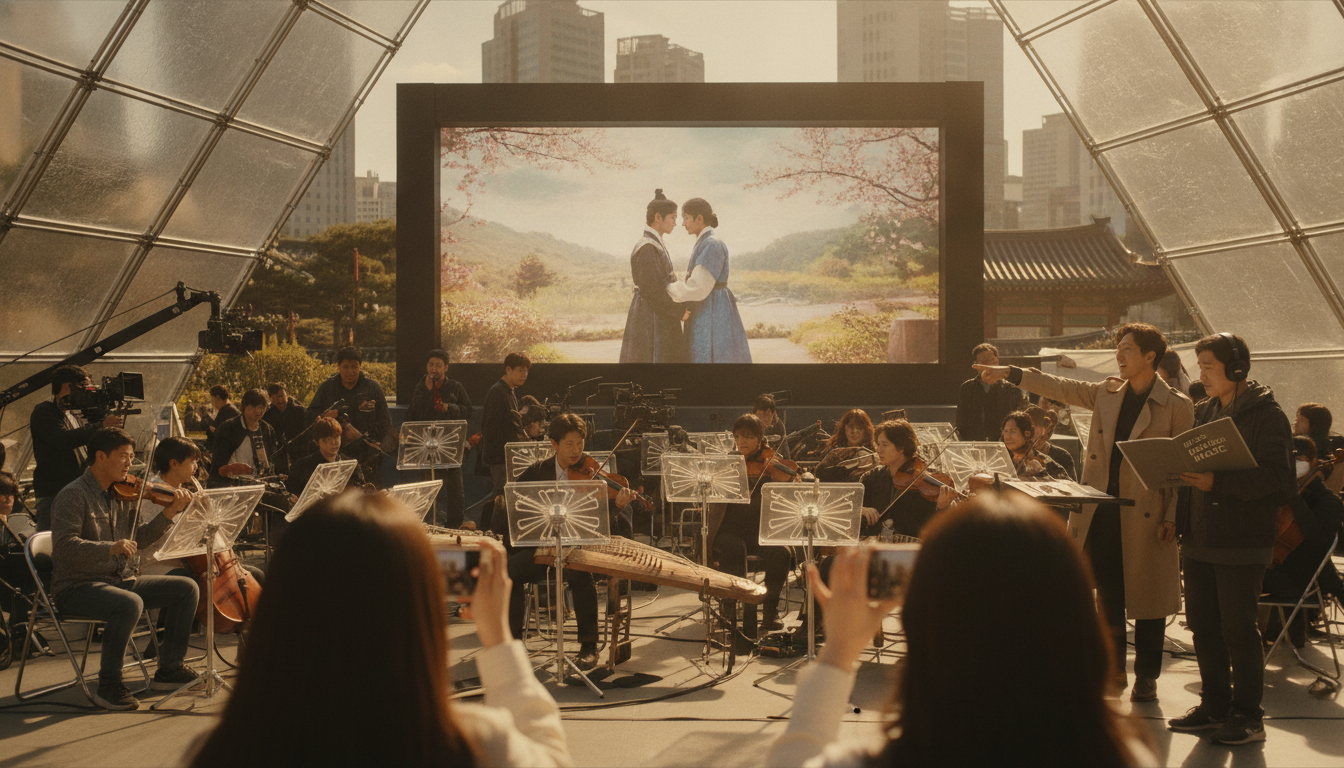
We’ve come a long way since the early days of K-drama OSTs, which were often seen as mere background fillers. Today, they are standalone masterpieces, meticulously crafted to enhance narrative depth and emotional impact. The industry has truly recognized the power of music, investing heavily in top-tier talent, innovative production, and global distribution. As we navigate the current landscape of K-dramas, the soundtracks are more diverse, more experimental, and more essential than ever before. Let’s explore what’s making 2026 such a monumental year for K-drama OSTs.
The Evolving Soundscape of 2026 OSTs
This year, the soundscape of K-drama OSTs is richer and more varied than ever. We’re witnessing a beautiful blend of traditional Korean instrumentation with contemporary genres like EDM, lo-fi, jazz, and even rock. This fusion isn’t just a gimmick; it’s a deliberate artistic choice designed to match the increasingly complex and genre-bending narratives we’re seeing on screen. For instance, a historical drama might incorporate subtle synth-wave elements to convey a sense of timelessness or a unique perspective on the past, while a modern romance could feature an acoustic ballad alongside a high-energy pop track, reflecting the multifaceted emotions of its characters.
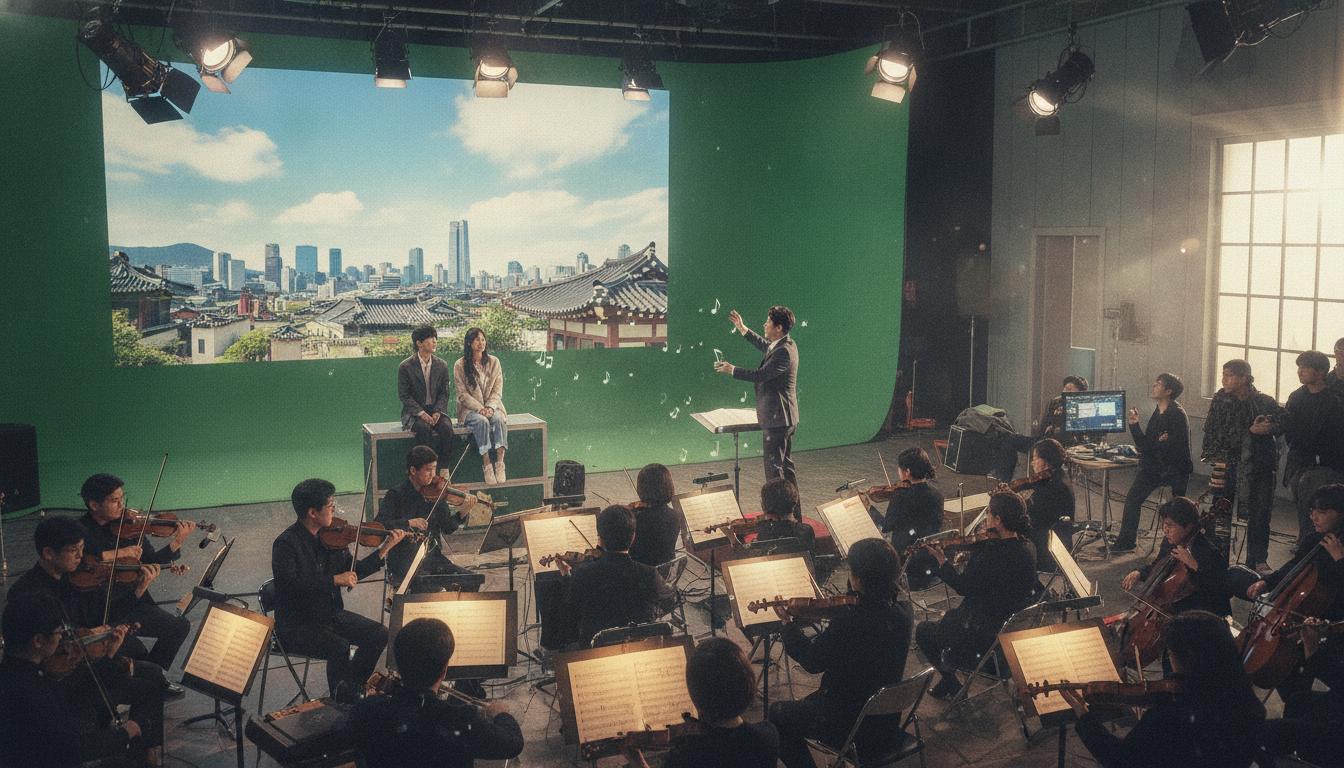
The commitment to sonic diversity is a clear indicator of the industry’s maturity. Production teams are no longer content with a single overarching sound; they are curating entire musical journeys within each drama. This means that a typical full OST album in 2026 often contains anywhere from 15 to 20 tracks, including instrumental versions that are just as compelling as the vocal pieces. This depth allows for a truly immersive listening experience, long after the final credits roll. The goal is to create music that resonates on its own, transcending the visual medium to become a part of the listener’s personal playlist.
Star Power and Emerging Voices in 2026
One of the most exciting trends continuing strong into 2026 is the incredible lineup of artists lending their voices to K-drama OSTs. We’re seeing a fantastic mix of established idols, renowned vocalists, and fresh new talent making significant contributions. It’s no longer surprising to find chart-topping K-Pop groups or solo artists participating, knowing the immense global reach their involvement brings. This year, we’ve already heard powerhouse vocals from artists who consistently top the charts, proving that an OST credit is now a coveted spot for any musician.
However, 2026 is also a year where emerging voices are truly breaking through. Music directors are actively seeking out unique tones and undiscovered talent, giving a platform to artists who might not have the mainstream recognition of an idol group but possess undeniable vocal prowess and emotional depth. This creates a vibrant ecosystem where both household names and rising stars contribute to the rich tapestry of K-drama music. The average production cost for a single high-quality OST track, featuring top-tier artists and extensive studio work, can easily range from ₩50 million to ₩100 million (approximately $35,000 to $70,000 USD), reflecting the significant investment in securing the best talent and production values. This commitment ensures that listeners consistently receive high-quality, memorable performances.
Global Reach and Digital Dominance
The global appeal of K-dramas has undoubtedly propelled OSTs onto the international stage, and 2026 continues this spectacular upward trajectory. With platforms like Netflix, Viki, and Disney+ bringing K-dramas to every corner of the world, their accompanying soundtracks are following suit. It’s not uncommon for OST tracks to trend on global music charts shortly after a drama’s release. This widespread accessibility means that fans can instantly stream their favorite songs on platforms like Spotify, Apple Music, and YouTube, often within hours of an episode airing in Korea.
This digital dominance has transformed how we consume and appreciate OSTs. We’re no longer waiting for physical album imports; the music is at our fingertips. This immediate availability fosters a global community of listeners who share, discuss, and celebrate these soundtracks in real-time. The sheer volume of content is also staggering; it’s estimated that over 150 new K-dramas are produced annually, each bringing a unique set of OSTs to the market. This constant influx ensures a fresh and exciting musical landscape for fans throughout the year. The ease of access and the sheer volume of high-quality content mean that the global K-drama OST fanbase is continuously growing, making 2026 a prime year for discovering new musical gems from Korea.
The Art of Emotional Storytelling Through Sound
What truly sets Korean drama OSTs apart, especially in 2026, is their unparalleled ability to tell a story and evoke emotion without a single visual cue. Music directors and composers are masters at crafting melodies that perfectly mirror the narrative arc, character development, and underlying themes of a drama. A specific track might become synonymous with a character’s internal struggle, a blossoming romance, or a moment of profound revelation. This isn’t just background music; it’s an integral part of the storytelling.
The meticulous placement of each song within a scene is an art form in itself. Think about how a soaring ballad can amplify a dramatic confession, or a melancholic piano piece can underscore a moment of quiet despair. The strategic use of instrumental versions to build tension or create atmosphere is also a hallmark of K-drama OSTs. These tracks, often around 3 to 4 minutes in length, are carefully composed to have their own narrative flow, with crescendos and decrescendos that mirror emotional peaks and valleys. This deliberate approach ensures that the music doesn’t just accompany the visuals; it actively participates in the emotional journey, making the viewing experience deeper and more memorable.
Practical Tips for Your 2026 OST Journey
As an expert friend, I want to equip you with the best ways to explore and appreciate the incredible world of 2026 K-drama OSTs.
1. Don’t Just Listen, Discover: Don’t limit yourself to the main theme songs. Dive into the full album! Many OSTs feature hidden gems, instrumental tracks, and B-sides that are just as beautiful and impactful as the title tracks. Often, these B-sides become fan favorites for their unique sound or profound lyrics. 2. Follow Music Directors: Learn the names of prominent K-drama music directors and composers. These unsung heroes are often the masterminds behind the entire sound of a drama. Following their work can lead you to discover new dramas and artists you might otherwise miss. They have a distinct style that often carries through their projects. 3. Utilize Streaming Playlists: Most major streaming platforms (Spotify, Apple Music, YouTube Music) have curated K-drama OST playlists. These are fantastic starting points for discovering new releases and revisiting classics. Look for playlists updated weekly or monthly to stay current with 2026’s hottest tracks. 4. Engage with the Community: Join online forums, subreddits, and social media groups dedicated to K-dramas and their OSTs. Fans often share insights, lyric translations, and recommendations that can enrich your listening experience. It’s a great way to connect with fellow enthusiasts. 5. Consider Physical Albums: While digital is convenient, physical OST albums are often beautifully packaged with photo cards, lyrics books, and behind-the-scenes content. They make fantastic collector’s items and are a wonderful way to support the artists and production teams directly.
Quick Summary
2026 is truly a golden age for Korean drama OST soundtracks. We’re witnessing an unprecedented level of artistic diversity, with genres blending seamlessly and traditional sounds meeting modern production. The commitment to high-quality music is evident in the star-studded lineups and significant financial investments, ensuring every track is a masterpiece. The global reach of K-dramas means these soundtracks are more accessible than ever, fostering a worldwide community of listeners. Ultimately, 2026 OSTs are not just background music; they are vital storytellers, enriching our viewing experience and staying with us long after the drama ends. Embrace the magic and let the melodies transport you!
Found this helpful? Bookmark us! ⭐