The final scene of a K-drama isn’t just an ending; it’s often a meticulously crafted puzzle box, a narrative crescendo designed to resonate long after the credits roll. In 2026, we’ve seen a remarkable surge in dramas and films that lean heavily into “K-drama theory symbolism,” transforming their conclusions into fertile ground for fan discussions, academic analyses, and endless re-watches. These symbolic layers, whether subtle visual cues, deliberate narrative ambiguities, or profound character arcs, elevate storytelling, inviting viewers to delve deeper than surface-level plots.
This year, particularly, has showcased how Korean creators masterfully employ symbolism to imbue their stories with profound meaning, often using endings to cement overarching themes or provoke thought. From the haunting questions left unanswered to powerful allegories hidden in plain sight, these productions prove that K-drama isn’t just entertainment; it’s an interactive intellectual exercise. Let’s unpack some standout examples from 2026 and late 2025 that exemplify this powerful trend, offering insights into how symbolism shapes our perception and keeps the K-drama conversation alive.
The Ambiguity of Truth: When Symbolism Sparks Debate
One of the most compelling uses of symbolism is the deliberate embrace of ambiguity, challenging viewers to confront subjective realities. Two films from 2026 perfectly illustrate how an open-ended conclusion, laden with symbolic potential, can become a talking point for months.
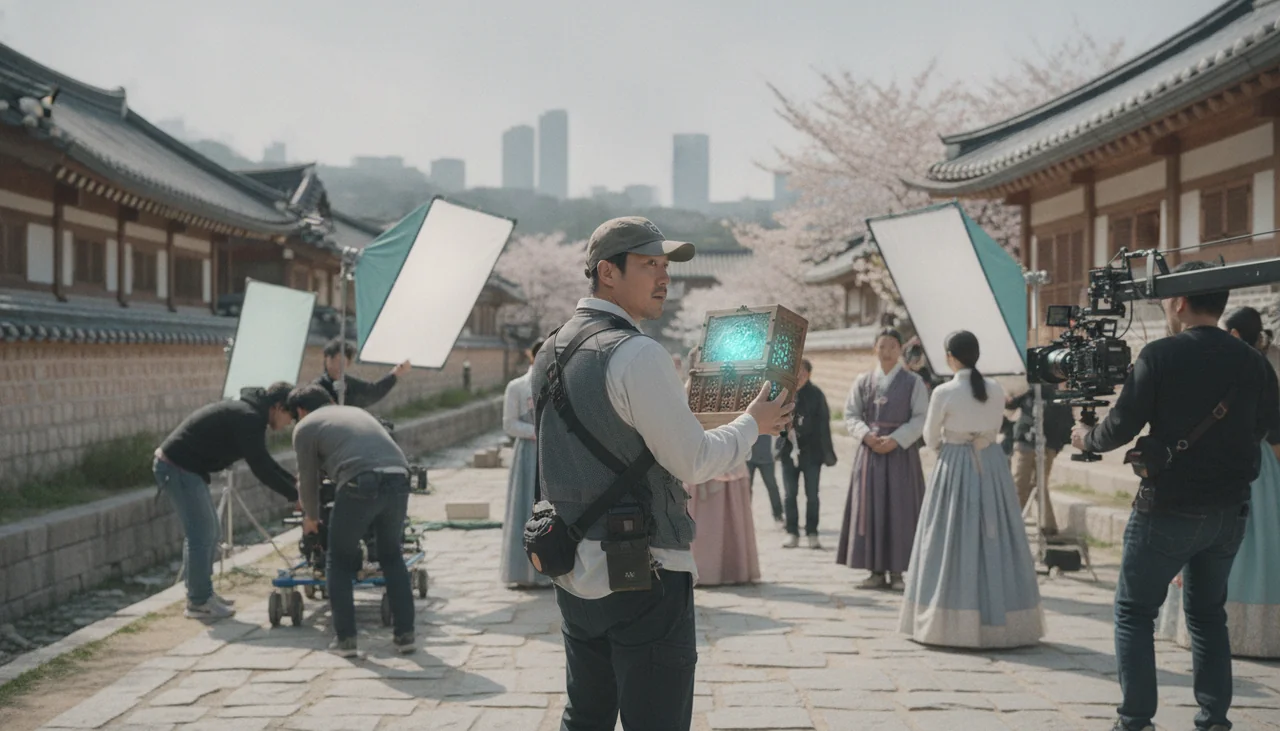
First, we turn to ‘Notes from the Last Row’, a recent theatrical release that quickly gained traction on streaming platforms. Lifestyle Asia Hong Kong, on June 27, 2026, highlighted the central question: “Was Lee Kang ever telling the truth?” This query isn’t just about plot; it’s a symbolic exploration of perception, memory, and the nature of storytelling itself. The “last row” might symbolize a distant, objective, or even hidden perspective, challenging the viewer to question their own vantage point. The film forces us to consider whether truth is absolute or merely a construct, a common theme in many thought-provoking melodramas. The actor portraying Lee Kang delivered a nuanced performance, masterfully maintaining a delicate balance that kept audiences guessing, making his character a symbolic representation of the unreliable narrator. His subtle shifts in expression and tone throughout the film were critical in weaving this web of uncertainty.
Similarly, ‘Pavane (2026)’, a critically acclaimed film available on premium VOD services since its February 2026 debut, left audiences pondering a significant absence. High On Films, on February 26, 2026, questioned, “Why Didn’t Gyeong-Rok Show Up on December 31st?” Here, Gyeong-Rok’s non-appearance on a date symbolizing closure and new beginnings is deeply symbolic. It represents not just a broken promise but perhaps the weight of unfulfilled expectations, the inevitability of change, or even a commentary on the fleeting nature of human connection. The specific date, December 31st, amplifies this symbolism, marking a definitive end to a year and, by extension, a chapter in the characters’ lives. The emotional impact of Gyeong-Rok’s absence was profoundly felt, a testament to the strong character development that made his presence, or lack thereof, so significant to the narrative.
Supernatural & Sci-Fi Allegories: Beyond the Visible
K-dramas and films often harness the power of the supernatural and sci-fi genres to explore deeper allegories, transcending literal events to comment on human nature, society, or existential questions. Symbolism in these narratives becomes a vehicle for abstract thought, allowing creators to tackle complex themes indirectly.
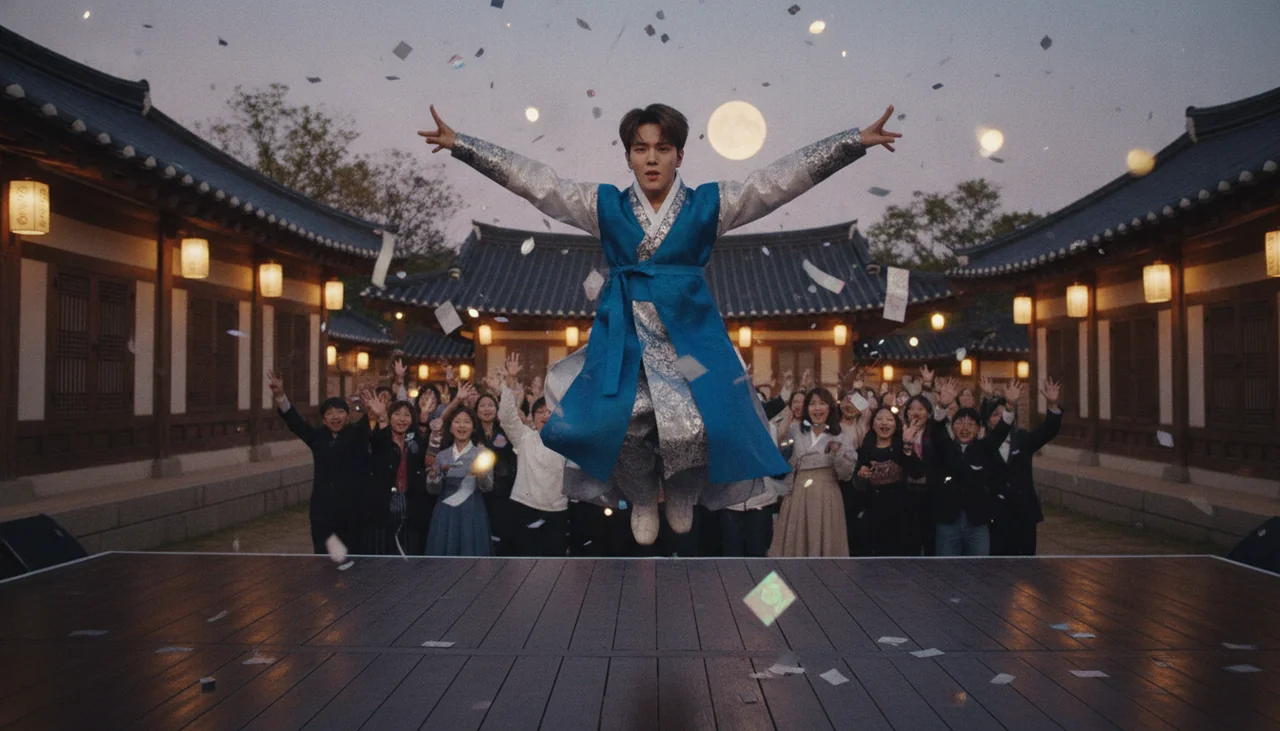
‘The East Palace’, a 16-episode fantasy melodrama, captivated audiences on its terrestrial network run, consistently ranking high in Nielsen Korea’s weekend drama viewership charts. Time Magazine, on July 17, 2026, delved into “The Supernatural Ending of The East Palace.” In this context, the supernatural elements are rarely just special effects; they symbolize fate, destiny, or the unseen forces that govern human existence. The “East Palace” itself, often a symbol of power, tradition, or a fated destiny in historical contexts, likely took on a new, mystical dimension. The ending, by introducing supernatural elements, could symbolize a cyclical nature of power, an escape from mortal constraints, or a metaphorical transformation. The lead performance navigating the intricate supernatural narrative was pivotal, demanding a blend of vulnerability and strength that grounded the fantastical elements in human emotion, making the symbolic journey resonate deeply.
Another prime example is ‘The Great Flood’, a critically lauded film available globally on Netflix since late 2025, which proved its staying power, frequently reappearing in Netflix’s Top 10 lists throughout early 2026. The Direct, on December 21, 2025, noted that its “Plot Twists Make It Way More Than a Sci-Fi Disaster Film.” The flood itself, a timeless symbol of destruction, cleansing, and rebirth, is here used as a powerful allegory. Beyond the immediate disaster, the film uses the flood to symbolize societal collapse, human resilience, or the dire consequences of environmental neglect. The plot twists aren’t just for shock value; they symbolically represent the unpredictable nature of crisis and the moral ambiguities that emerge when survival is at stake. The film’s ability to weave profound societal commentary into a thrilling sci-fi premise demonstrates the sophisticated use of symbolism to elevate genre storytelling.
Choices, Journeys, and Identity: The Symbolic Path of Characters
Character decisions and personal journeys are often rich with symbolism, representing universal struggles of identity, ambition, and belonging. K-dramas excel at presenting these dilemmas in a way that viewers can deeply connect with, making the characters’ paths symbolic of broader human experiences.
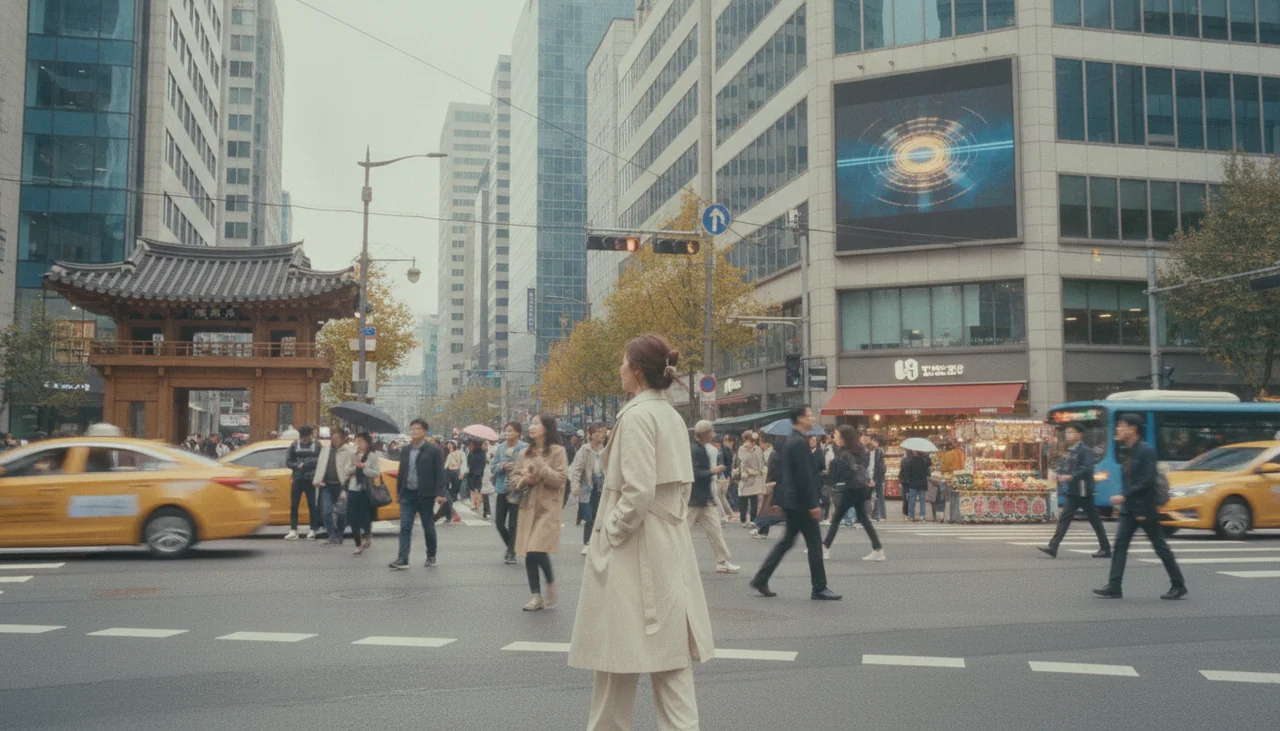
Consider ‘K-Pops’, a vibrant musical film that found a strong audience on its streaming platform, charting in the global Top 10 for weeks following its July 2026 release. IMDb, on July 4, 2026, posed the compelling question: “Does Bj Choose Tae-Young Or A World Tour?” This choice is a powerful symbol of the classic dilemma between personal happiness and professional ambition. Tae-Young likely symbolizes a stable, perhaps romantic, connection and a grounded life, while the World Tour represents the pinnacle of a K-Pop idol’s career, fame, and artistic fulfillment. Bj’s decision, regardless of the outcome, symbolizes the sacrifices and difficult choices young artists often face in the cutthroat entertainment industry, reflecting the tension between individual desires and societal pressures. The actor portraying Bj delivered a heartfelt performance, making the audience genuinely feel the weight of this pivotal choice and the symbolic implications of each path.
Similarly, ‘Made In Korea’, a poignant drama released theatrically in April 2026 and later on VOD, explored universal themes through its specific cultural lens. IMDb, on April 3, 2026, asked, “Did Shenba Go Back To Seoul?” The journey to Seoul and the question of return are laden with symbolism. Seoul, for many, symbolizes dreams, opportunity, and a connection to identity or heritage. Shenba’s potential return or decision not to return becomes a symbolic representation of finding one’s place, reconciling with the past, or forging a new path. The title itself, “Made In Korea,” hints at a quest for origin, authenticity, or a definition of self within a cultural context. Shenba’s journey was brought to life by a compelling performance that conveyed the character’s internal conflict and resilience, making their ultimate decision a powerful symbolic statement on belonging.
The Darker Side of Symbolism: Unsettling Truths
Not all symbolism is about grand allegories or personal growth; some delves into the unsettling, exploring the darker aspects of human nature, societal corruption, or psychological horror. These narratives use symbolism to convey discomfort, moral ambiguity, and the chilling consequences of hidden desires.
‘If Wishes Could Kill’, a chilling 8-episode horror series that premiered on a major cable network in April 2026, generated significant buzz and late-night discussion forums. Time Magazine, on April 24, 2026, published an article “Breaking Down the Ending of Horror K-Drama ‘If Wishes Could Kill’.” The title itself is a potent symbol: “Wishes” that “Kill” suggests a Faustian bargain, the dangerous power of desire, or the unintended, malevolent consequences of our deepest longings. In horror, symbolism often manifests as a reflection of internal fears or societal anxieties. The ending likely used symbolic imagery to represent the enduring nature of evil, the corruption of innocence, or a cyclical curse that cannot be broken. The ensemble cast effectively conveyed the escalating terror, with one particular performance standing out for its visceral depiction of despair and moral decay, making the symbolic implications of each wish terrifyingly real.
Finally, “Dear X”, an intense streaming original drama, reportedly a 10-episode series, challenged viewers with its unflinching narrative and complex moral landscape upon its late 2025 release. Dojeon Media, on December 11, 2025, reviewed it as “A Dark K-Drama Not for Weak Hearts.” The enigmatic title “Dear X” is a symbolic hook, suggesting a letter addressed to an unknown entity, a lost love, or perhaps a personification of trauma or revenge. The “dark” nature of the drama indicates that its symbolism likely explores themes of obsession, manipulation, moral degradation, or the psychological toll of past grievances. “X” could symbolize the unknown, a variable, or a literal crossing out of a past life or identity. The lead actor delivered a truly unforgettable performance, navigating the morally ambiguous terrain with unsettling conviction, embodying the very essence of the drama’s dark symbolic core. This drama, while from late 2025, continues to be a benchmark for intense, symbolically rich storytelling in 2026.
Quick Summary
The power of K-drama theory symbolism lies in its ability to transform a story into an experience, inviting viewers to actively participate in decoding its deeper meanings. As we’ve seen in ‘Notes from the Last Row’, ‘Pavane (2026)’, ‘The East Palace’, ‘The Great Flood’, ‘K-Pops’, ‘Made In Korea’, ‘If Wishes Could Kill’, and ‘Dear X’, these symbolic elements are not mere embellishments; they are integral to the narrative’s emotional resonance and intellectual impact. From ambiguous truths to profound allegories, symbolism fuels fan theories, enriches re-watches, and solidifies a drama’s place in our collective consciousness.
Practical Tips for Spotting K-Drama Symbolism:
1. Look for Recurring Motifs: Pay attention to repeated objects, colors, animals, or even weather patterns. Do certain characters always wear a specific color? Does rain always accompany a sad scene? These are often deliberate symbolic choices. 2. Analyze Character and Place Names: Sometimes, names themselves carry hidden meanings or historical references that provide clues to a character’s arc or a location’s significance. 3. Consider the OST’s Role: The original soundtrack (OST) isn’t just background music. How does a song’s lyrics or melody underscore an emotional moment or hint at a symbolic truth? Pay attention to how OSTs climb the charts and what scenes they’re associated with. 4. Re-watch Key Scenes: Especially endings! What did you miss the first time? Subtle gestures, background elements, or dialogue nuances often reveal themselves upon a second or third viewing. 5. Engage with Fan Theories: The K-drama community is a vibrant space for discussion. Reading others’ interpretations can open your eyes to symbolic layers you hadn’t considered, enriching your overall viewing experience.
Found this helpful? Bookmark us! ⭐