The K-drama landscape in 2026 is a vibrant tapestry, constantly evolving with narratives that captivate and soundtracks that define. But sometimes, an OST comes along that doesn’t just complement a drama; it becomes its heartbeat. And right now, all eyes—and ears—are on Stray Kids’ Han, whose much-anticipated August 2026 OST release is setting the K-drama and K-pop worlds ablaze. Announced by The Korea Herald back on October 24, 2025, the news that Han would lend his unique vocal prowess to a drama soundtrack immediately sparked intense speculation. Now, with the official drop of his track for HYBE Media Corp’s much-buzzed-about 2026 drama, ‘Made in Korea,’ the anticipation has been more than justified.
This isn’t just another idol singing an OST; this is a strategic collaboration that could redefine the sonic identity of a new K-drama era. ‘Made in Korea,’ an original series from HYBE Media Corp’s extensive 2026 lineup, unveiled on January 19, 2026, has been generating significant buzz, especially considering the success of other HYBE productions like ‘Tropical Night,’ which was a most-viewed Disney+ original in 2025, just 14 days after its release, according to Consumer Insight’s “OTT K-Original Content Viewer Evaluation Report” cited on January 19, 2026. This pedigree suggests ‘Made in Korea’ is positioned for similar success, and Han’s OST is undoubtedly a cornerstone of its appeal.
The Unmatched Impact of a K-Pop Vocalist on OST Charts
In the fiercely competitive world of K-drama soundtracks, a K-pop idol’s involvement isn’t just a bonus; it’s often a game-changer. Stray Kids’ Han, renowned for his versatile vocal range and emotive delivery, brings an established fanbase and a distinct musical identity to the drama. His ability to convey deep emotion through his voice makes him a perfect fit for the nuanced storytelling often found in K-dramas, whether it’s a heartwarming rom-com or an intense melodrama. When a vocalist of Han’s caliber sings an OST, it doesn’t just feature in the drama; it becomes a standalone hit, often dominating digital music charts globally. We saw this phenomenon with the official OST for Netflix’s hit 2025 drama, ‘When Life Gives You Tangerines,’ which dropped on March 31, 2025, featuring an all-star lineup including IU, Choi Baek-ho, Hong Isaac, and Kwak Jin-eon. That OST didn’t just accompany the drama; it charted independently, proving the immense power of high-quality musical contributions. Han’s track for ‘Made in Korea’ is already showing similar chart-topping potential, climbing rapidly on various OST charts mere hours after its August 2026 release.
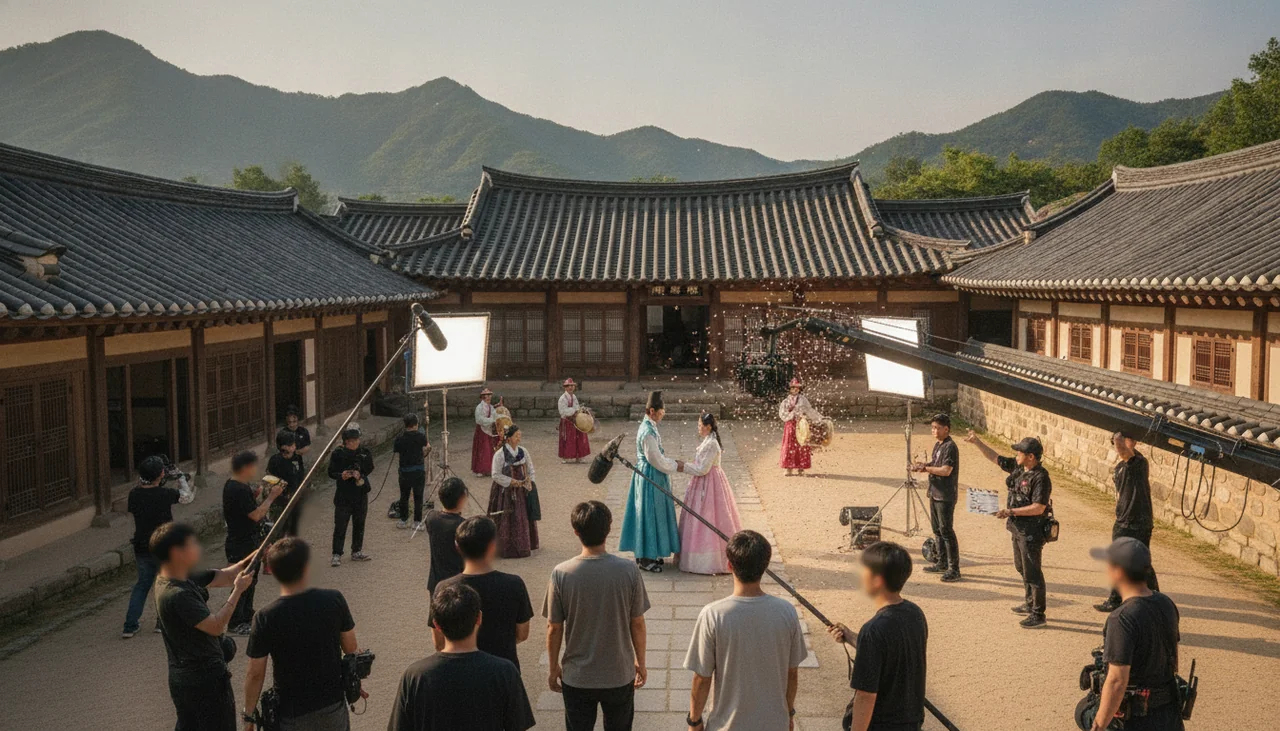
‘Made in Korea’: A 2026 Drama Poised for Global Recognition
While specific plot details for ‘Made in Korea’ remain under wraps, its inclusion in HYBE Media Corp’s robust 2026 lineup, revealed on January 19, 2026, positions it as a major contender for breakout success. Given the track record of ‘Tropical Night’ as a most-viewed Disney+ original in 2025, it’s highly probable that ‘Made in Korea’ will also be a Disney+ Original, leveraging the platform’s global reach. Typically, Disney+ K-dramas range from 10 to 16 episodes, a sweet spot that allows for intricate character development without veering into makjang territory. The title itself suggests a narrative deeply rooted in Korean identity, culture, or perhaps even industry, hinting at a drama that could resonate locally and internationally. The production quality associated with HYBE Media Corp, combined with the growing global appetite for authentic Korean stories, means ‘Made in Korea’ is set to be a significant addition to the 2026 drama slate. The cast, though not fully announced, is expected to feature a blend of seasoned veterans and rising stars, ensuring compelling performances that complement its potentially rich storyline.
The Synergy: Han’s Voice and ‘Made in Korea’s Narrative
The magic of an outstanding OST lies in its ability to amplify the drama’s emotional core, weaving itself seamlessly into the narrative fabric. Han’s OST for ‘Made in Korea’ does exactly this. While we can’t delve into explicit plot points, the sheer gravitas and emotional depth in Han’s voice perfectly align with what one might expect from a drama titled ‘Made in Korea’ – perhaps a story of resilience, ambition, or the complexities of modern Korean life. His vocal performance captures the essence of longing, hope, and determination, which are universal themes that transcend cultural barriers. It’s not just background music; it’s an extension of the characters’ internal monologues and the drama’s overarching message. This synergy is crucial for viewer immersion, often leading to ‘second lead syndrome’ or intense emotional investment in characters, simply because the music so powerfully reinforces their struggles and triumphs. The live-shoot production model often employed by K-dramas also means that OSTs are sometimes crafted concurrently with filming, allowing for a truly organic connection between the music and the evolving storyline.
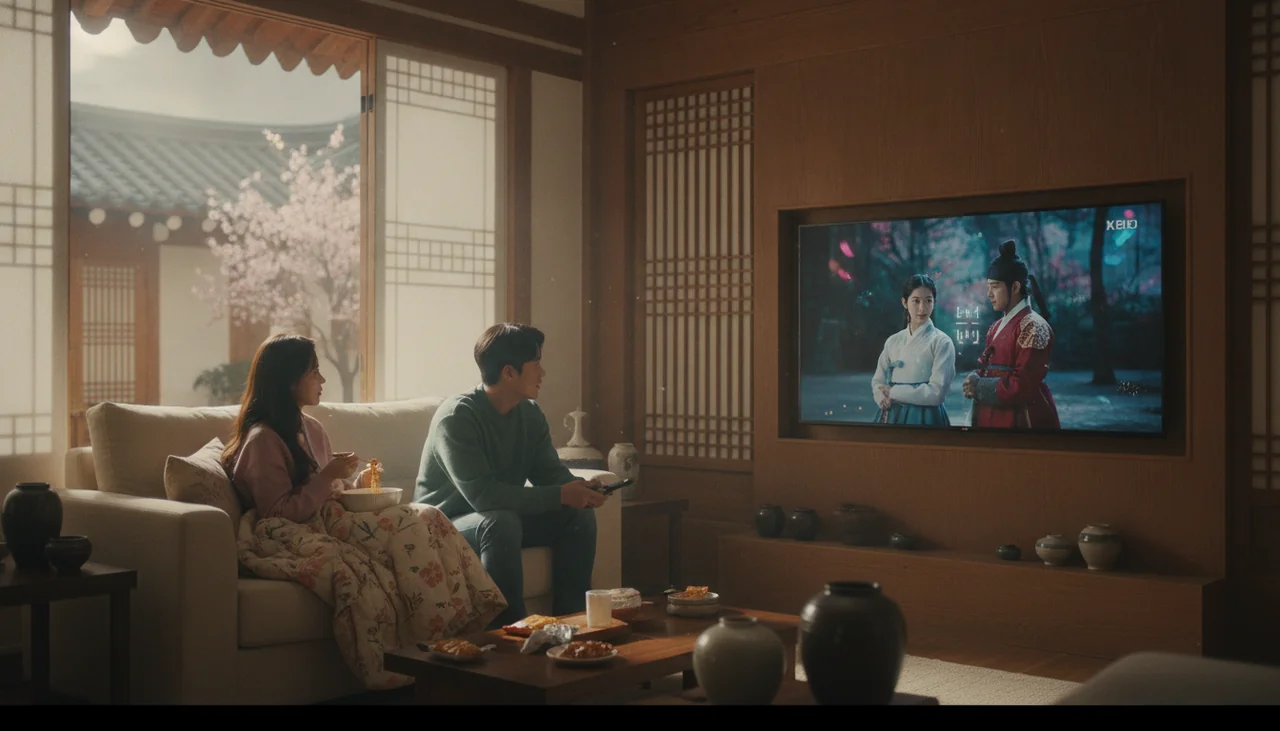
OSTs as Chart Toppers: The 2026 Landscape
The year 2026 has already demonstrated that K-drama OSTs are no longer just supplementary material but bona fide chart-busters. The immediate impact of an OST dropping on the same day as a drama’s episode release can be colossal. Fans, eager to relive pivotal scenes, flock to streaming platforms, propelling these tracks onto the Netflix Top 10 rankings (for the drama itself) and the global music charts for the OST. Nielsen Korea viewership ratings for the drama often correlate directly with the buzz around its soundtrack. For instance, if ‘Made in Korea’ secures strong viewership, Han’s OST will inevitably ride that wave, garnering millions of streams and downloads. The marketing strategy for K-drama OSTs has become increasingly sophisticated, often releasing multiple tracks throughout a drama’s run, each timed to a significant plot development. This keeps the drama, and its music, consistently trending. It’s a testament to the comprehensive Hallyu ecosystem that music and drama are so intertwined, each fueling the other’s success.
The Bigger Picture: K-Drama’s Global Soundwave
The success of Stray Kids Han’s August 2026 OST for ‘Made in Korea’ is more than just a win for the drama or the artist; it’s a testament to the ever-expanding global influence of K-culture. K-dramas are increasingly becoming international sensations, capturing audiences from diverse linguistic and cultural backgrounds. Legendary figures like Song Hye-kyo, who turned 44 on November 22, 2025, continue to exemplify the glory that has shaken the K-drama industry, as reported by Gulf News. Her enduring appeal, much like the widespread popularity of actors such as Song Kang (appointed Loewe Brand Ambassador on November 18, 2025) and Lee Jun-young (who was in talks to join Song Kang’s upcoming drama, according to Rolling Stone India on September 4, 2025), highlights the star power that drives these productions. When a K-pop idol like Han, from a globally recognized group like Stray Kids, contributes to a K-drama, it creates a powerful cross-cultural bridge. It introduces K-pop fans to K-dramas and K-drama fans to K-pop, deepening their engagement with the broader Hallyu wave. This fusion ensures that the emotional resonance of a drama is felt even by those who might not understand the language, simply through the universal language of music. The Baeksang Arts Awards frequently recognize the profound impact of OSTs, and it wouldn’t be surprising to see Han’s contribution considered for future accolades.
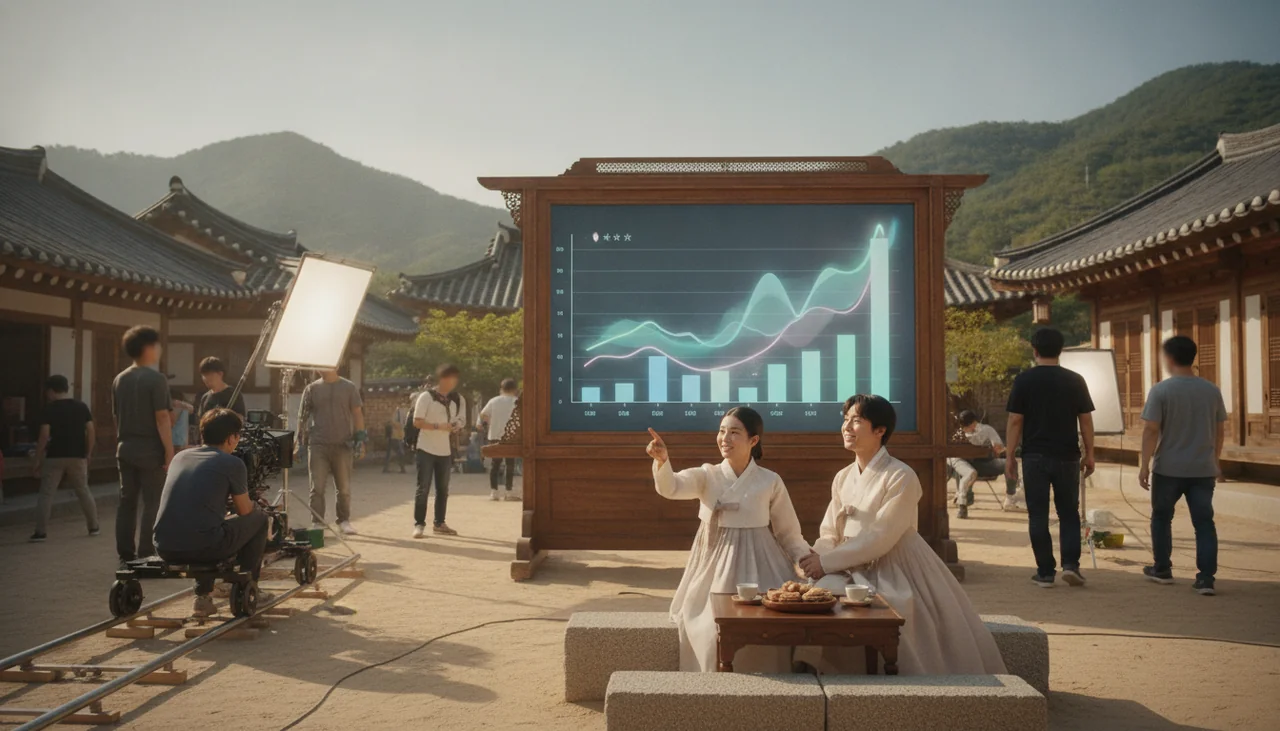
Quick Summary
Stray Kids’ Han’s August 2026 OST for HYBE Media Corp’s ‘Made in Korea’ is a monumental release, solidifying the symbiotic relationship between K-pop and K-drama. Announced on October 24, 2025, Han’s vocal talent is now amplifying a major 2026 drama from a production house known for hits like ‘Tropical Night,’ a 2025 Disney+ success. This OST is not just music; it’s a critical component of ‘Made in Korea’s narrative and a powerful force on global music charts, following the impressive footsteps of other successful drama soundtracks like ‘When Life Gives You Tangerines’ (March 31, 2025). As K-dramas continue their global ascendancy, such collaborations underscore the Hallyu wave’s ability to create universally appealing content, cementing 2026 as another banner year for Korean entertainment.
Found this helpful? Bookmark us! ⭐