
Welcome back to K-Screen Daily’s Korean Movie Special! It’s late May 2026, and as the summer blockbuster season looms, it’s the perfect time to take a breath and analyze the cinematic landscape of the year so far. The first five months have been a fascinating mix of reliable hits, ambitious gambles, and quiet conversations about the very future of the Korean theatrical experience. While no single film has yet reached the coveted 10 million admissions mark, the box office is showing signs of robust health, driven by familiar faces and a public eager for shared cultural moments. The conversation is less about “recovery” now and more about “evolution.” How is the Korean film industry adapting to a world where streaming is king and audience expectations are higher than ever? Let’s break down the major trends shaping the 2026 box office.

The Unstoppable Juggernaut: Why Franchises Still Rule
If there’s one lesson the 2026 box office has reinforced, it’s that familiarity breeds success. The most dominant force this year has been the continuation of beloved franchises. Audiences have proven they will show up in droves for the next chapter in a story they already love, with characters they feel they know. The most prominent example continues to be the action-packed universe built around powerhouse actor Ma Dong-seok. His particular brand of charismatic, heavy-hitting justice has become a genre unto itself, and any new installment is practically an event.
This formula works because it minimizes risk for both studios and audiences. Major distributors like Showbox and ABO Entertainment know they have a built-in audience, making massive marketing spends a safer bet. For moviegoers, shelling out ₩15,000 for a ticket feels less like a gamble when you know you’re getting two hours of high-octane entertainment with a star who always delivers. This trend isn’t just limited to action films. We’re seeing production companies actively looking at successful historical dramas and suspense thrillers from the past decade, exploring the potential for sequels or spin-offs. The challenge for 2026 and beyond will be to keep these franchises feeling fresh, avoiding the creative fatigue that can set in when a formula is repeated too often. The key seems to be retaining the core star power while introducing compelling new villains and upping the ante on the action set pieces.
Big Swings and High Concepts: Korea’s Sci-Fi Renaissance
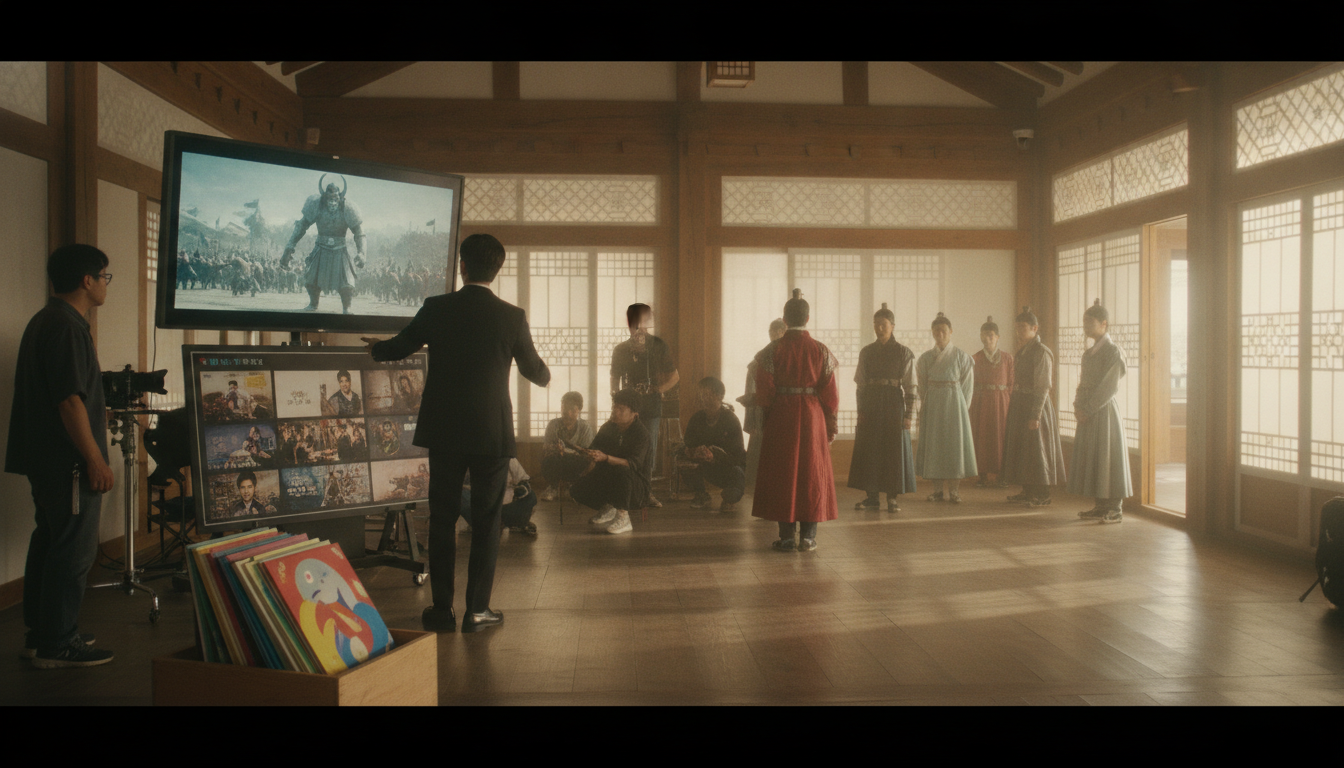
While franchises provide a stable commercial backbone, the most exciting developments in 2026 are happening in the high-concept space. Korean cinema is doubling down on science fiction and fantasy, genres that were once considered too niche or expensive to produce domestically. Spurred by a global audience hungry for inventive storytelling and empowered by VFX technology that now rivals Hollywood, major players like CJ ENM are investing unprecedented sums into these epic productions. We’ve seen a couple of these big swings land in theaters already this year, characterized by stunning visuals, complex world-building, and philosophical questions about humanity and technology.
These films are a direct response to the elevated standards of international viewers. After the global success of genre-bending works, the industry recognized a massive opportunity. However, these are high-risk, high-reward ventures. A sci-fi blockbuster can cost tens of billions of won, and if it fails to connect with a domestic audience, the losses can be staggering. The box office performance for these films in 2026 has been mixed, proving that visual spectacle alone isn’t enough. The most successful ones have grounded their futuristic or fantastical concepts in deeply Korean emotional cores—themes of family, sacrifice, and social commentary that resonate universally. This push is also creating a new generation of technical artists, from CGI specialists to production designers, strengthening the entire industry’s infrastructure for years to come.
The Netflix Effect: When Big Stars Skip the Big Screen
The most intense debate happening within the industry right now revolves around the power of global streaming platforms. In 2026, the line between a “movie” and “streaming content” has blurred almost completely. We’ve seen several A-list directors and actors opt to release their major projects directly onto platforms like Netflix or Disney+. This creates a fascinating dilemma for the box office. On one hand, it means some of the year’s most anticipated works from top-tier talent, including names we’d normally associate with a massive theatrical rollout, won’t contribute a single won to the domestic box office.
The appeal for creators is undeniable: immense creative freedom, guaranteed global distribution to over 190 countries, and a budget that doesn’t depend on ticket sales. For actors, it’s a chance to reach a massive international fanbase instantly. However, this trend is a source of major anxiety for theater chains like CGV and Lotte Cinema. When a film helmed by a director like Park Chan-wook or starring an actor like Son Suk-ku goes straight to streaming, it represents a significant loss of potential revenue and cultural buzz that only a theatrical run can generate. This dynamic is forcing a re-evaluation of the theatrical window—the exclusive period a movie plays in theaters before heading to streaming. Some are advocating for flexible, hybrid release models, while theater purists argue that the magic of the cinema is worth preserving at all costs. The results of this ongoing tug-of-war will define the business for the rest of the decade.
From Small Screen to Silver Screen: 2026’s Breakout Movie Stars
One of the most thrilling aspects of watching the film landscape evolve is seeing a new generation of talent take center stage. For years, the path was clear: build a following in K-dramas and then make the leap to the big screen. In 2026, this pipeline is more robust than ever. We’re seeing actors who captured hearts in hit streaming series over the last couple of years now headlining major motion pictures. Stars like Lee Do-hyun and Go Youn-jung, who have demonstrated incredible range and charisma on the small screen, are now being trusted with leading roles in feature films, and audiences are following them.
This infusion of new blood is critical for the industry’s long-term health. It prevents the box office from relying solely on the same handful of established stars from the last two decades. These younger actors bring their massive social media followings and a fresh energy that connects with a younger demographic of moviegoers. Their success is also a testament to the quality of K-dramas, which have become a world-class training ground for performers. Directors and casting agents are watching these series as closely as any film festival, scouting for the next big thing. For fans, it’s a joy to watch these talented individuals prove their versatility and make their mark on Korean cinema.
Your Guide to Following the 2026 Korean Box Office
Want to keep up with the hits and misses like a pro? It’s easier than you think. The single most important resource is the Korean Film Council’s (KOFIC) official box office tracking website. It provides daily, weekend, and yearly data on admissions and revenue for every film released in Korea. It’s the source all industry professionals use, and while the site is detailed, its charts are easy to understand.
For reviews and industry buzz, following major Korean news outlets’ entertainment sections (many have English versions) is key. For release dates, keep an eye on the social media accounts of major distributors like Lotte Entertainment and Megabox Plus M. Finally, mark your calendars for the fall festival season. The Busan International Film Festival (BIFF), held every October, is the premier event for discovering the most exciting independent films and getting a sneak peek at what might become the big award contenders for the year. By using these tools, you can move beyond being a casual viewer and become a truly informed fan of Korean cinema.
Key Takeaways
Franchise Power: Established series, especially in the action genre, remain the most reliable commercial hits of 2026. Sci-Fi is Here to Stay: Studios are making huge investments in high-concept sci-fi and fantasy, though audience reception can be hit-or-miss. The Streaming Battle: The choice between a theatrical release and a lucrative streaming deal is the industry’s biggest strategic challenge, directly impacting box office numbers. New Stars Arising: A new wave of actors, made famous by K-dramas, are now successfully headlining major films. * Stay Informed: Use official sources like KOFIC and keep an eye on the fall film festival circuit to track the industry’s pulse.
Found this helpful? Bookmark us! ⭐