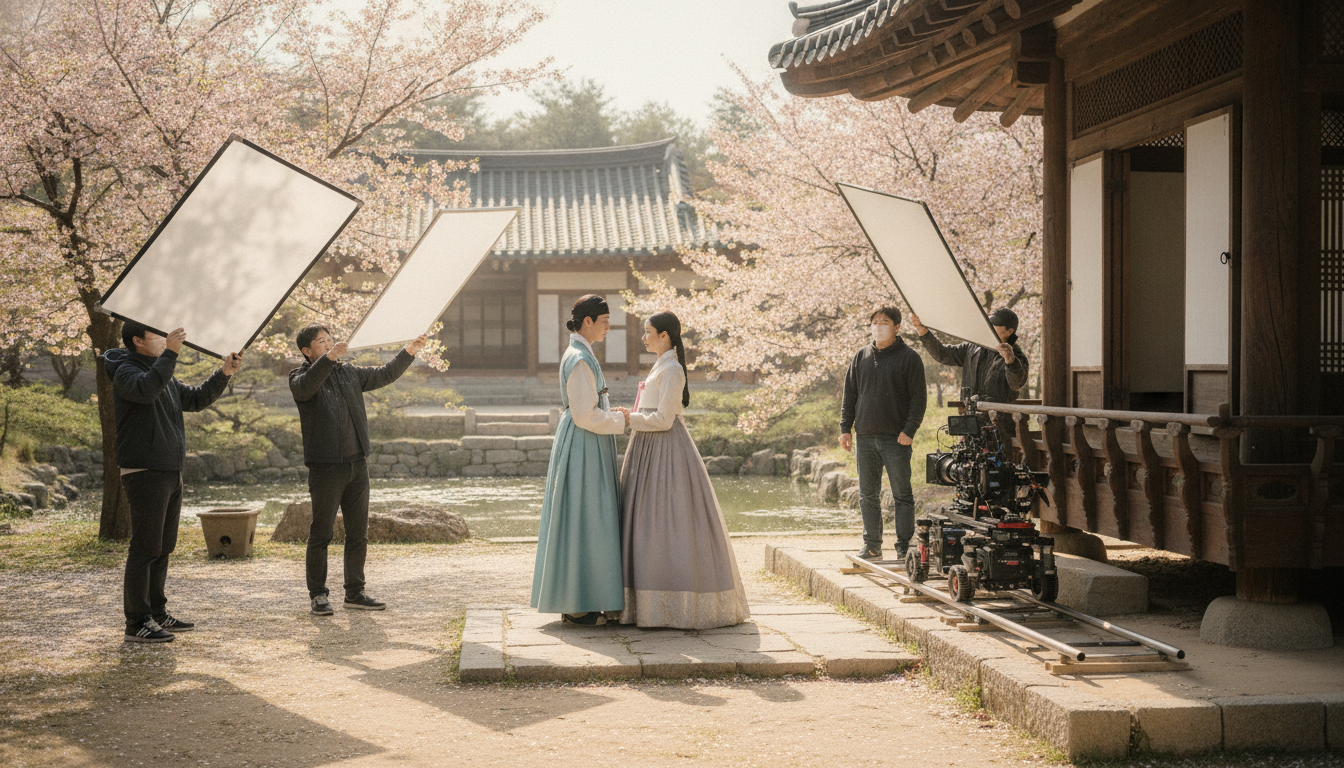
Hello, K-Screen Daily readers! It’s your resident drama analyst, back from a weekend binge of the latest streaming hits. You know that feeling when you finish a finale, the credits roll, but your mind is still buzzing? You have this sense that beneath the stunning cinematography and heart-stopping plot twists, there was another layer of storytelling you couldn’t quite grasp. You’re not wrong. As K-dramas in 2026 continue to evolve into more complex and globally celebrated art forms, directors are embedding deeper symbolic meanings into every frame.
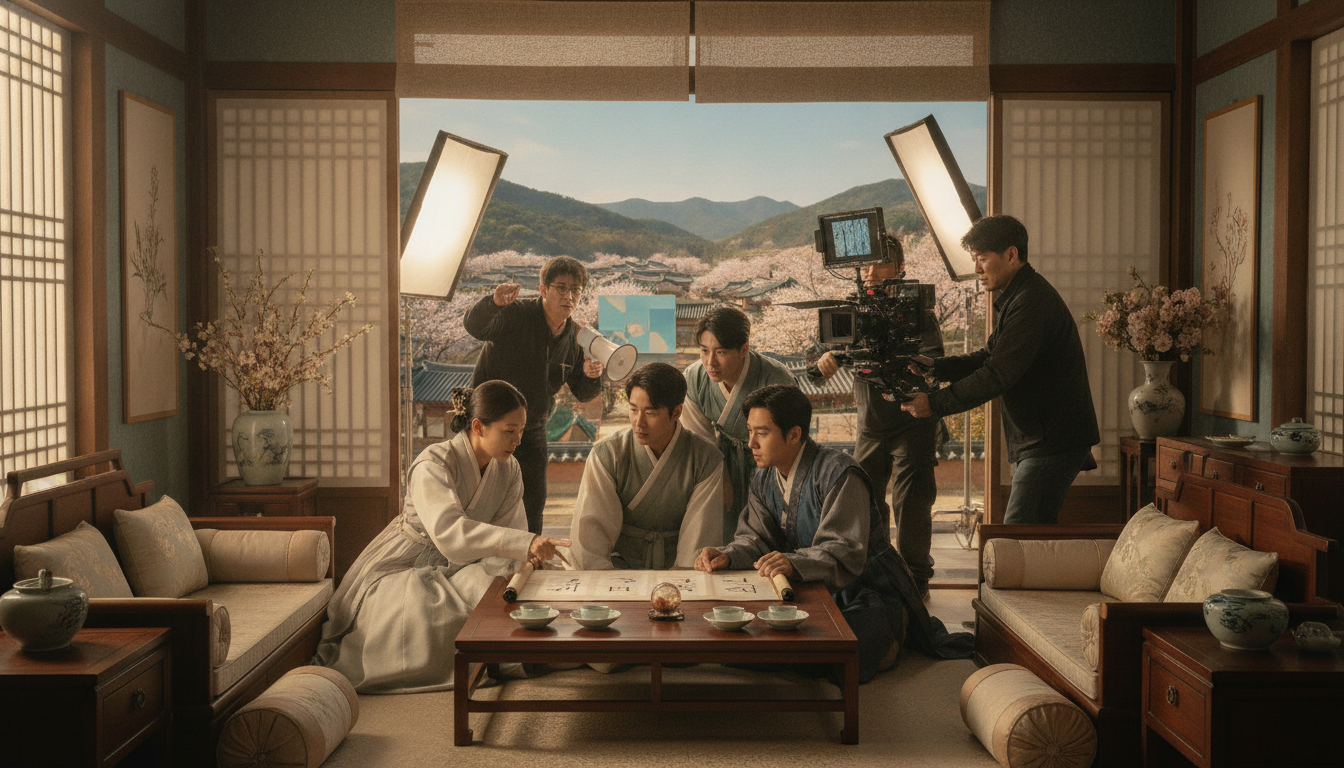
This isn’t just about clever product placement (though there’s plenty of that). This is about a rich visual language rooted in Korean culture, history, and artistic tradition. Understanding these hidden cues can transform your viewing experience from a passive pastime into an active, rewarding analysis. It’s the difference between simply watching the story and truly feeling it. So, grab a cup of coffee (or tea!), get comfortable, and let’s decode the symbolic universe of modern K-dramas together.
It’s Never Just a Meal: The Symbolism of Food
In the world of K-dramas, food is a character in its own right. It’s a language of love, a marker of social status, and a vessel for memory. When a character offers another food, they are rarely just offering sustenance; they are offering care, connection, and community. The 2026 slate of dramas has continued this tradition with incredible nuance.
Take, for instance, the humble package of ramyeon (instant noodles). Seeing a character ask, “Do you want to eat ramyeon before you go?” is one of the most iconic, subtly suggestive lines in drama history. It implies a desire for intimacy and a casual, comfortable closeness. This isn’t just a trope; it reflects a reality where sharing a simple, late-night meal is a profound act of bonding. It’s no surprise that South Korea consistently holds the record for the highest per-capita instant noodle consumption in the world, with recent figures showing the average person consumes over 75 servings a year. This shared cultural experience makes the on-screen moment instantly relatable and meaningful.
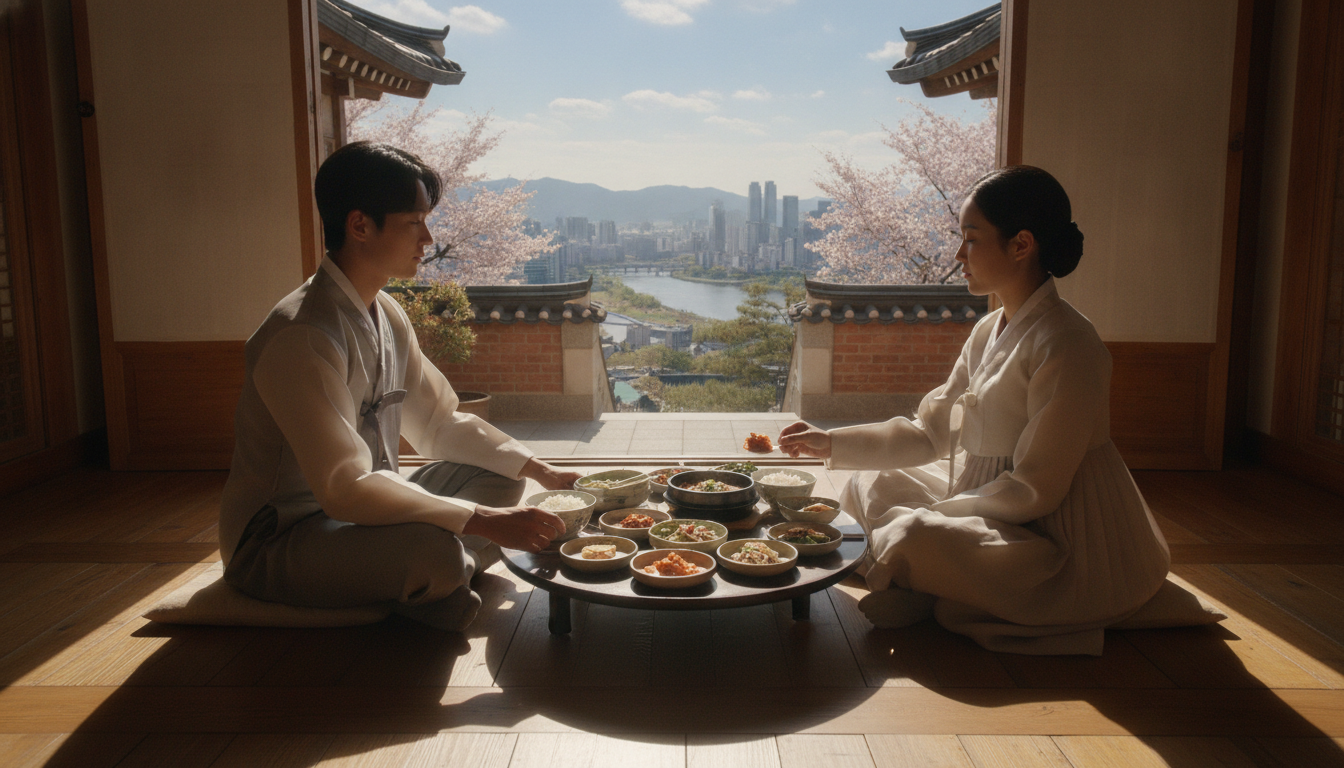
Similarly, miyeokguk (seaweed soup) is never just soup. Traditionally eaten on birthdays, it honors the mother who went through childbirth, as seaweed is rich in nutrients vital for post-partum recovery. When a character is served miyeokguk on their birthday, it’s a symbol of love, gratitude, and familial bonds. If a character is alone on their birthday and has to eat convenience store miyeokguk, it’s a powerful visual shorthand for their loneliness and fractured family ties. Even the act of sharing a simple home-cooked meal, a hansik spread with multiple banchan (side dishes), signifies a return to family, stability, and belonging—a frequent motif for chaebol heirs tired of their cold, empty mansions.
Painting with Emotion: The Power of Color Theory
Cinematographers are the unsung heroes of K-dramas, and their use of color is a masterclass in emotional storytelling. A drama’s color palette is a deliberate choice that sets the tone, reveals character psychology, and foreshadows future events. Paying attention to dominant colors in a scene can unlock a deeper understanding of the narrative.
The color red is a potent and recurring symbol. It’s not just the color of passion and romance; it’s the color of fate, danger, and inextricable connection. The “red string of fate,” an East Asian belief that two people destined to be together are connected by an invisible red thread, is a concept visually woven into countless dramas. A red scarf, a red umbrella, or a red dress appearing at a pivotal moment is rarely a coincidence. It signals a fated encounter that will irrevocably alter the characters’ lives.
Conversely, blues and greens often create a mood of melancholy, introspection, and sometimes, suffocating wealth. Think of the cold, metallic blues of a powerful CEO’s office, signifying isolation and emotional distance. Saturated, lush greens, however, can represent healing, nature, and a return to simpler roots—a character leaving the cutthroat city of Seoul for the serene countryside is almost always framed against a vibrant green landscape. Yellow is another key color, often used to evoke nostalgia and the warmth of a cherished memory, frequently seen in childhood flashbacks. A yellow umbrella, in particular, has become a recurring motif for a moment of sweet, innocent, and protective love.
The Secret Language of Petals: Floriography in Focus
The symbolic use of flowers, or floriography, adds a layer of poetic elegance to K-dramas. A gifted bouquet is more than a romantic gesture; the specific type of flower often carries a secret message meant for the characters and the audience. This is a subtle art that rewards the attentive viewer.
The most famous example is the buckwheat flower from the legendary drama Goblin. In the language of flowers, buckwheat flowers mean “lover” or “a promise.” When the male lead gives the female lead a bouquet of buckwheat flowers, he is silently confessing his deepest feelings long before he can say the words. This single detail enriches their entire relationship arc. Similarly, cherry blossoms are a ubiquitous and powerful symbol. Because they bloom so beautifully but for such a short period—typically from late March to early April in Korea—they represent the fleeting, ephemeral nature of youth, first love, and life itself. A scene set under falling cherry blossoms is a visual poem about a beautiful, transient moment.
As you watch dramas in 2026, keep an eye out for less common flowers as well. White chrysanthemums are associated with funerals and grief, so their appearance can foreshadow tragedy. A camellia might symbolize waiting and faithfulness. By doing a quick search on the meaning of a prominently featured flower, you can uncover a hidden dialogue happening just beneath the surface of the script.
More Than Just Props: Symbolic Objects and Motifs
Everyday objects are imbued with extraordinary meaning in the K-drama universe. Directors repeatedly use certain props as visual motifs to anchor thematic ideas and track character development. Once you learn to spot them, you’ll see them everywhere.
The umbrella is perhaps the most classic example. In a world of sudden downpours, an umbrella represents protection, solace, and the beginning of a connection. The act of one character shielding another from the rain is an intimate gesture that establishes a safe space between them, creating a bubble where the rest of the world fades away. This simple act signifies, “I will protect you.”
Clocks and watches are another powerful motif, symbolizing fate, time, and second chances. A broken watch can represent a life stalled by trauma, while the restarting of a clock can signal a new beginning or the turning of fate’s wheel. In historical dramas, or sageuk, objects take on even more weight. A specific hairpin, a royal seal, or a piece of calligraphy isn’t just a prop; it’s a link to a character’s identity, a claim to power, or a secret message. Understanding the context, such as the strict social hierarchies of the Joseon Dynasty (1392-1897), makes the exchange of these objects fraught with incredible tension and meaning.
Your 2026 K-Drama Decoder Ring: How to Spot the Clues
Ready to start watching like a critic? Here are some practical tips to help you spot these hidden meanings in the next drama you stream:
1. Track Repetition: If you see the same object, color, or food appear more than twice in significant moments, it’s almost certainly a symbol. Ask yourself: What is happening in the scene when this symbol appears? What emotional state is the character in? 2. Note the Framing: Pay attention to what the camera focuses on. If there’s a lingering shot on a cup of tea, a wilting flower, or a book on a nightstand, the director is telling you it’s important. 3. Embrace the Pause Button: Don’t be afraid to pause and do a quick search. “Meaning of hydrangeas in Korea” or “symbolism of rain in Korean culture” can unlock a wealth of information that enriches your viewing experience in real-time. 4. Listen to the Soundtrack: The instrumental OST is also a clue. Often, a specific musical motif will play whenever a symbolic object or theme appears, reinforcing the connection between the visual and the emotional.
By actively looking for these elements, you engage with the drama on a much deeper level, appreciating the incredible artistry and intentionality that goes into creating these beloved stories.
Key Takeaways
Food is Communication: In K-dramas, sharing food like ramyeon or miyeokguk is a profound act of care, intimacy, and connection that speaks louder than words. Colors Create Mood: The intentional use of colors like red (fate), blue (melancholy), and yellow (nostalgia) serves as a visual guide to the characters’ inner emotional landscape. Flowers Tell Secrets: From buckwheat flowers meaning “lover” to cherry blossoms representing fleeting beauty, floriography is used to convey unspoken feelings and poetic themes. Objects are Anchors: Recurring props like umbrellas, clocks, and historical artifacts act as powerful symbolic motifs that anchor the story’s central ideas. * Watch Actively: To catch these meanings, pay attention to repetition, camera focus, and musical cues. A little bit of cultural curiosity can completely transform your K-drama experience.
Found this helpful? Bookmark us! ⭐