It’s June 29, 2026, and the K-drama landscape is buzzing with new releases, fresh faces, and intriguing plotlines. But as a critic who’s watched 300+ dramas and covered the Baeksang Arts Awards for five years, I find myself often looking back to understand where we’re headed. My “Notes from Last Row analysis” today isn’t about predicting the next big hit, but about dissecting the echoes of 2025 – the dramas that, for better or worse, left an indelible mark and continue to shape our expectations and the industry’s direction in 2026. Last year was a whirlwind, and while some shows faded with their final episode drop day, others have cultivated a lasting legacy, influencing everything from casting trends to narrative risks and even the elusive OST chart.
“Tyrant Chef”: The Global Phenomenon and its Aftertaste
Honestly, when “Tyrant Chef” first premiered on tvN as a weekend drama in 2025, I knew it had potential. But to see it become the behemoth it did, a true global phenomenon? That was something else entirely. Starring the ever-charming Im Yoon-ah and the rising talent Lee Chae-min, this series didn’t just cook up delicious food on screen; it served up a compelling narrative that captured hearts worldwide. By September 17, 2025, it had already clinched the coveted #1 spot on Netflix’s Global Non-English TV Show ranking, a testament to its undeniable cross-cultural appeal. The New York Times and Time Magazine both showered it with praise, describing it as “a Korean drama that has captivated the world.” I remember tuning in each week, seeing its average viewership rating on tvN rise with episode 8, thinking this was more than just a passing rom-com; it was a cultural event.
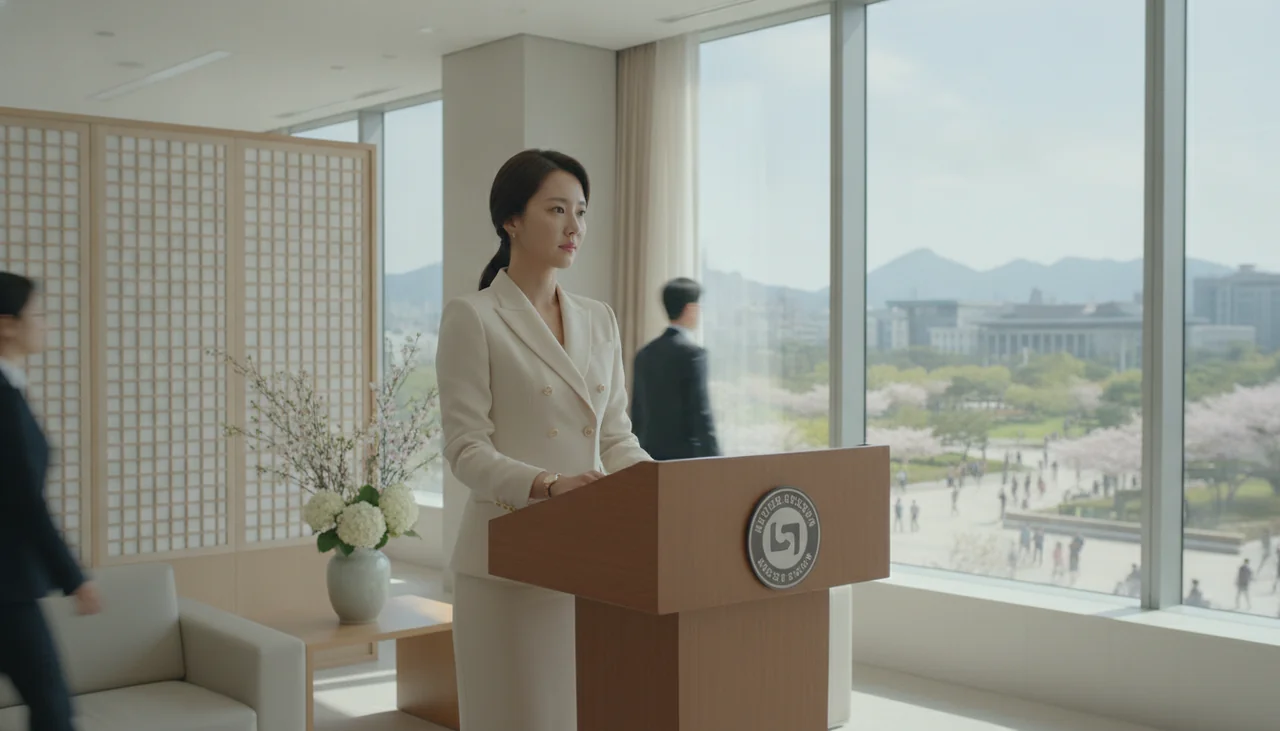
Even in June 2026, “Tyrant Chef” continues to be a benchmark for what K-dramas can achieve globally. Its success demonstrated that a well-executed story, even without a high-concept sci-fi premise, can conquer international streaming charts. The natural chemistry between Im Yoon-ah and Lee Chae-min became the gold standard for on-screen pairings, and the show’s vibrant OST, while not explicitly charted in the news, undoubtedly contributed to its immersive experience, setting a high bar for 2026 OST chart contenders. It proved that sometimes, the most universal stories are found in the most specific cultural settings, bridging the gap between domestic and international receptions in a way few others managed. The 16-episode series, a tvN weekend drama, showed that quality storytelling transcends language barriers.
“First Lady”: The Makjang Melodrama That Divided
If “Tyrant Chef” was about universal appeal, then “First Lady” was about raw, unapologetic domestic drama, pushing the boundaries of what a melodrama could be. Leisurebyte’s consistent reviews throughout its run in late 2025 painted a vivid picture: “A Thrilling Melodrama Full of Dirty Politics” (October 3, 2025, Episode 4), “Twisted Politics and a Ruthless Scorned Woman” (October 9, 2025, Episode 6). Eugene, in particular, truly embraced her “villain era,” as noted by Leisurebyte on October 22, 2025, with Episode 9. The series was a masterclass in tension, delivering a thrilling and melodramatic watch that kept viewers hooked, as Leisurebyte highlighted with Episode 10 on October 23, 2025. It was a fascinating study in how far a scorned woman would go.

However, my “Notes from Last Row analysis” here points to a crucial lesson for 2026 productions: the landing matters. Despite its gripping premise and strong performances, particularly from Eugene, “First Lady” ultimately faced criticism for its conclusion. Leisurebyte’s October 30, 2025 review of the Episode 12 finale called it “A Rather Underwhelming Finale For This Crime Thriller.” This drama became a prime example of the perils of the live-shoot system, where production schedules can often compromise narrative consistency towards the end. While it showcased the enduring power of makjang elements and complex female leads in K-drama, its finale served as a stark reminder that even the most thrilling ride can disappoint if the destination isn’t satisfying, a lesson many 2026 screenwriters are surely taking to heart. The promise of a strong crime thriller was somewhat diluted by its conclusion.
“Made in Korea”: Hyun Bin’s Return to a Turbulent Era
The return of a veteran like Hyun Bin is always an event, and “Made in Korea” was no exception. Announced on December 25, 2025, by K-Culture with Jae-Ha Kim, this drama promised to transport viewers back to the “turbulent 1970s.” And it delivered with gravitas and style. Period dramas have seen a remarkable resurgence, and “Made in Korea” stood out for its meticulous attention to historical detail and its compelling human stories set against a backdrop of significant social upheaval. Hyun Bin’s nuanced portrayal of a character navigating such a complex era was, predictably, a standout performance, reminding us why he’s a perennial favorite at the Baeksang Arts Awards. The weight and depth he brought to the role resonated deeply with audiences.
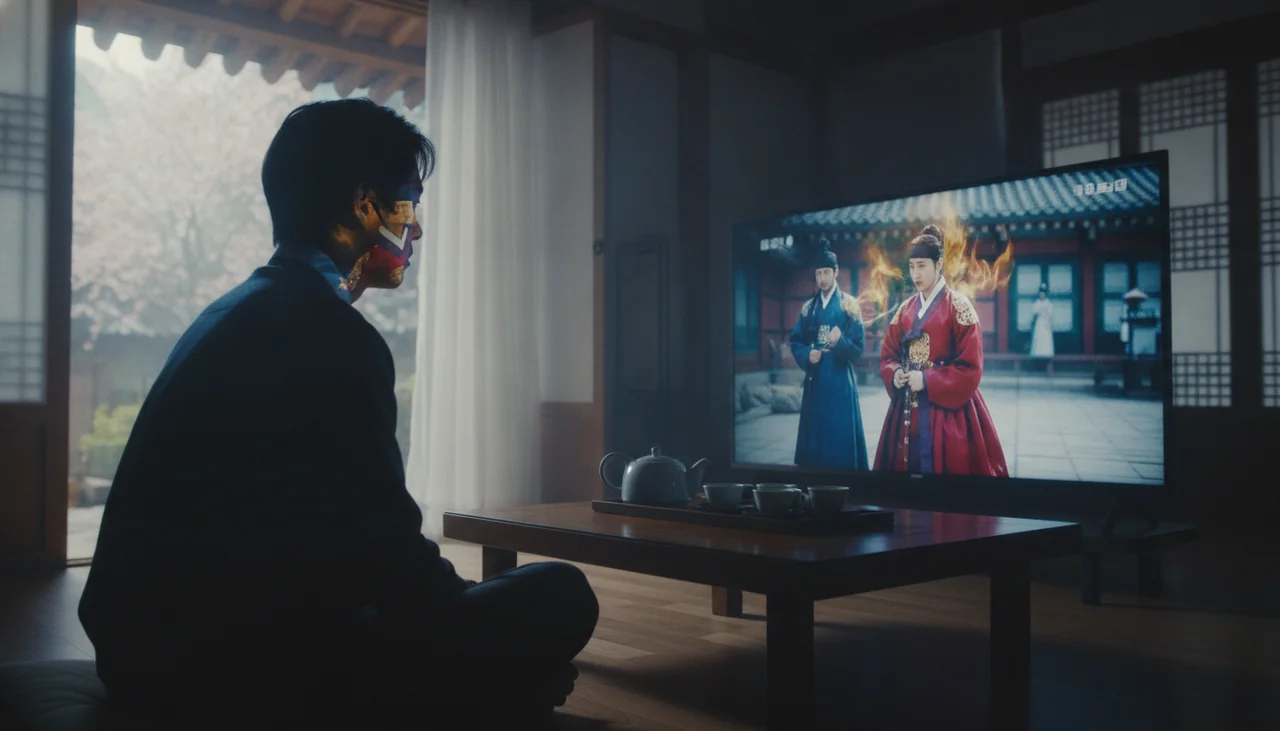
What makes “Made in Korea” relevant in June 2026 is how it continues to fuel the appetite for high-quality historical narratives. While “When Life Gives You Tangerines,” a 16-episode epic, was hailed as “a new hit in Korean period storytelling” back on March 28, 2025, “Made in Korea” offered a different flavor – perhaps a grittier, more introspective look at a specific moment in time. These dramas collectively demonstrate that historical settings are not just for grand romances, but powerful vehicles for exploring national identity, personal sacrifice, and the enduring human spirit. They set a high standard for production design and historical accuracy that 2026 period pieces must now strive to meet, proving that history, when told well, is never truly past.
“Trigger”: Netflix’s Uncomfortable Yet Essential Watch
Netflix has undeniably changed the game for K-content, pushing boundaries and bringing a diverse array of stories to global audiences. “Trigger,” released in 2025, was a prime example of this. Reviewed by But Why Tho? on August 8, 2025, as “One Of Netflix’s Most Uncomfortable Korean Series,” it was precisely that discomfort that made it so compelling. This wasn’t a show designed for casual viewing or lighthearted binge-watching; it delved into darker themes, challenging viewers and sparking intense discussions on its episode drop day. Its unflinching portrayal of difficult subjects made it a standout.
My “Notes from Last Row analysis” of “Trigger” highlights Netflix’s crucial role in fostering niche but critically important K-dramas. While it might not have achieved the same broad appeal as “Tyrant Chef,” its impact on the critical conversation and its ability to push the envelope for mature, thought-provoking content cannot be overstated. This drama, along with others like it, undoubtedly contributed to the trend noted in a review on December 16, 2025, where a series gained significant popularity on Netflix with each new episode, becoming “the only Korean drama to make the list and ranked two spots higher than the second season of…” (a globally popular show). “Trigger” exemplifies how streaming platforms allow creators to explore complex, sometimes unsettling, narratives without the immediate pressure of traditional network viewership ratings, paving the way for more experimental and bold storytelling we’re seeing in 2026. It’s a testament to the fact that sometimes, the most impactful dramas are those that dare to make us feel uneasy.
Quick Summary
As we navigate the exciting K-drama landscape of June 2026, it’s clear that the dramas of 2025 cast long shadows. “Tyrant Chef” redefined global success and the power of a well-crafted story, setting a high bar for romantic and culinary narratives. “First Lady” showed us the thrilling highs and narrative pitfalls of makjang melodramas, especially concerning satisfying finales. “Made in Korea” reaffirmed the enduring appeal and critical importance of period pieces, emphasizing historical depth and powerful performances. And finally, “Trigger” highlighted Netflix’s role in cultivating uncomfortable, yet essential, boundary-pushing content. These four dramas, from their initial episode drop days to their lasting critical discussions, offer invaluable lessons for both creators and viewers in 2026. So, as you plan your next binge, consider revisiting these 2025 gems – they’re not just entertainment; they’re blueprints for the future of K-drama.
Found this helpful? Bookmark us! ⭐