The air in the Korean film industry felt heavy heading into 2026. After a challenging 2025, where Korean film revenue and admissions plummeted by a staggering 40% (upi.com, February 27, 2026), many wondered if the golden era of Korean cinema was fading. But oh, how swiftly the tides can turn! Just a few months into the new year, the box office has witnessed a phenomenal resurgence, driven by powerful narratives and stellar performances that have audiences flocking back to theaters. This isn’t just about numbers; it’s about the very soul of Korean storytelling reaffirming its magnetic pull. As a long-time admirer of Korean dramas and films, witnessing this revival has been nothing short of exhilarating.
The Reign of ‘The King’s Warden’: A Cinematic Coronation
If there’s one film that has truly spearheaded the 2026 cinematic comeback, it’s Director Jang’s historical epic, ‘The King’s Warden’. Opening on February 4, 2026, this masterpiece quickly captured the nation’s imagination, proving that historical dramas, when done right, can still command unparalleled attention. By March 9, 2026, The Korea Herald reported that ‘The King’s Warden’ was nearing an astounding 10 million ticket sales – a monumental achievement in any year, let alone one following such a difficult period.
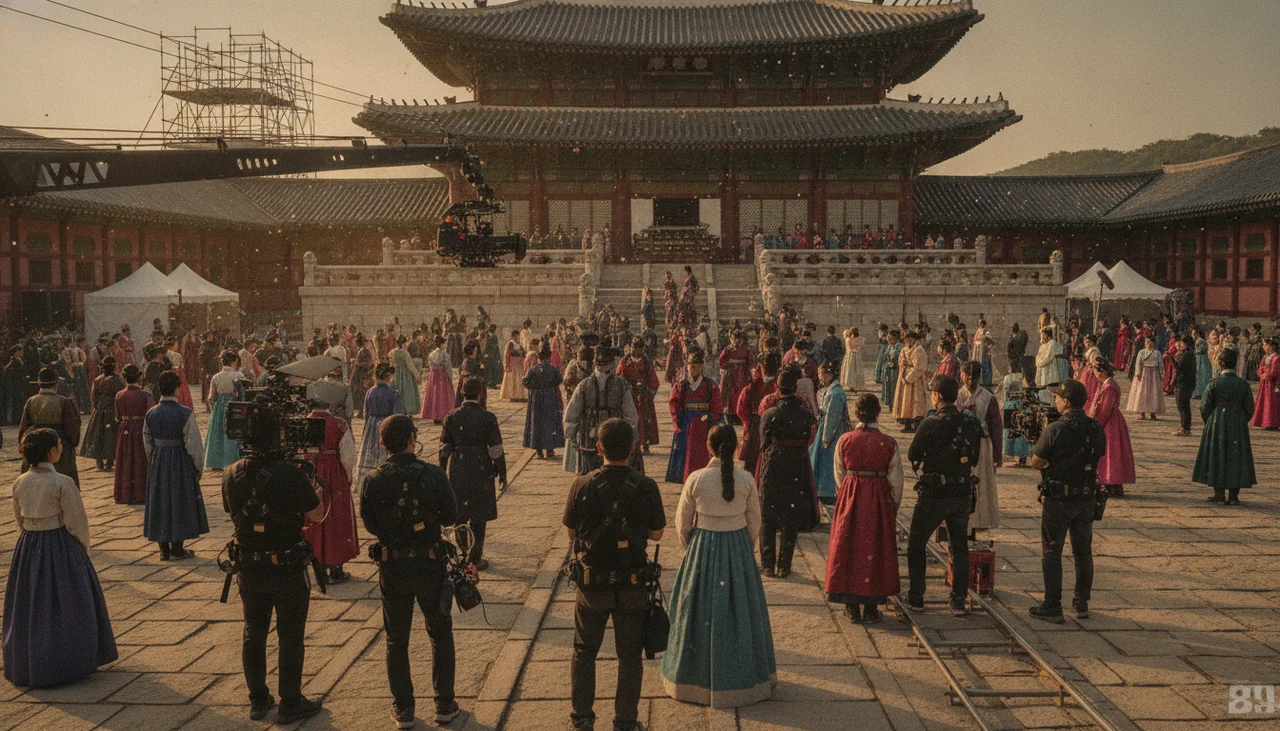
What makes ‘The King’s Warden’ such a phenomenon? It’s a gripping blend of political intrigue and personal sacrifice, delivering the kind of high-stakes melodrama that K-drama fans often adore, but on a grander, cinematic scale. The film doesn’t shy away from complex characters or moral ambiguities, depicting a Joseon era fraught with power struggles and deep-seated loyalties. Director Jang masterfully crafts a narrative that feels both historically authentic and incredibly relevant, drawing viewers into a world where every decision carries immense weight. The impact of the film was so profound that, as reported by news outlets on February 20, 2026, fans were even review-bombing the tomb of a specific Joseon king, showcasing an incredible level of immersive engagement and public score-settling that spilled over from the screen into real life. This isn’t just a movie; it’s a cultural event, sparking conversations and debates that echo the passion seen in the most beloved live-shoot K-dramas. The performances, particularly from the lead ensemble, are nothing short of captivating, turning historical figures into breathing, relatable individuals.
Diving into the Depths of ‘Salmokji: Whispering Water’: A Chilling Success
While ‘The King’s Warden’ dominated the historical genre, a different kind of film emerged to conquer the horror and occult space: ‘Salmokji: Whispering Water’. This chilling thriller, released sometime before April 17, 2026, proved that Korean cinema’s prowess extends far beyond grand historical narratives and into the realm of the supernatural. Its success has been notable, with reports on April 17, 2026, detailing how fans were even flocking to the real-life reservoir depicted in the film, a testament to its immersive power and the unique way Korean horror and occult media popularize specific locations, especially during the eerie “one to three in the morning” hours.
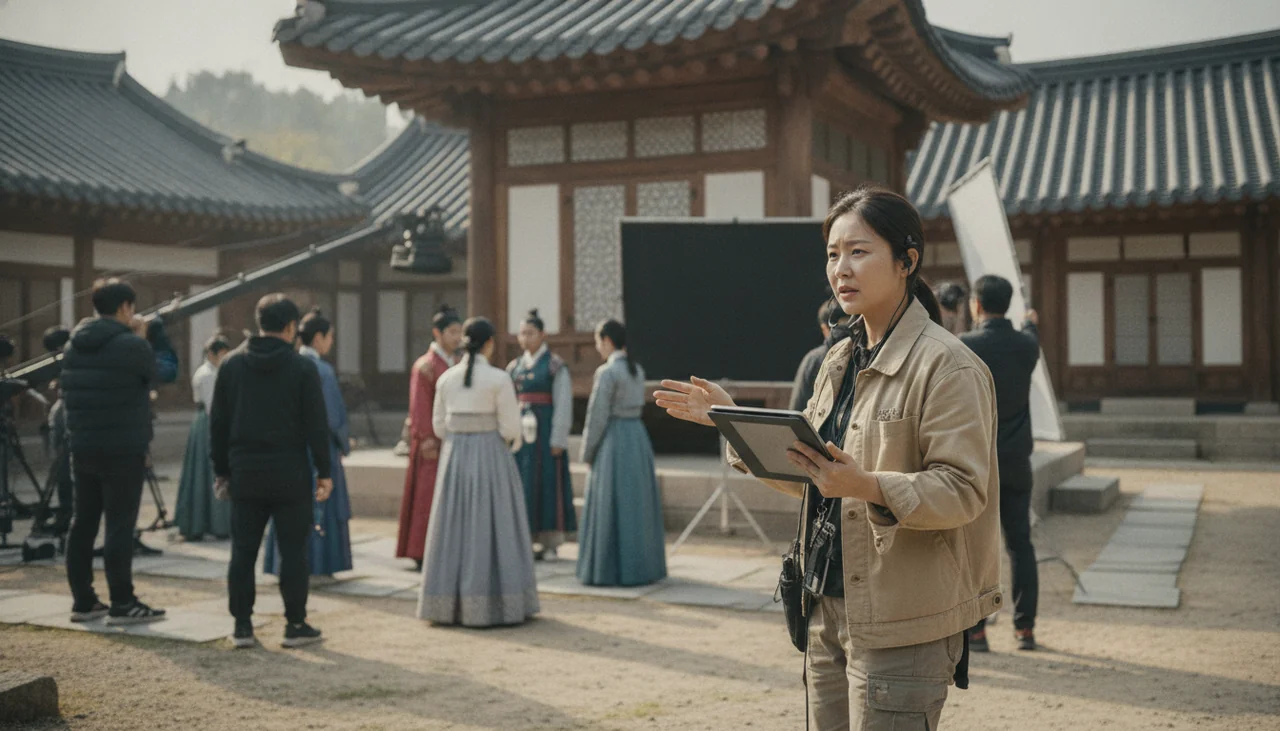
At the heart of ‘Salmokji: Whispering Water’ is Soo-in, a producer played by the incredibly versatile Kim Hye-yoon. Her performance is a standout, guiding the audience through a terrifying journey that blurs the lines between reality and the spectral. Kim Hye-yoon, known for her captivating roles in various dramas, brings a vulnerability and fierce determination to Soo-in that makes her plight deeply resonant. The film masterfully builds suspense, using psychological dread rather than relying solely on jump scares, a technique that elevates it beyond typical horror fare. It taps into the national fascination with folklore and the unseen, delivering a narrative that is both terrifying and thought-provoking. For those who appreciate the darker, more suspenseful side of Korean storytelling – the kind that leaves you pondering long after the credits roll – ‘Salmokji: Whispering Water’ is an absolute must-see. It’s a testament to the strength of genre filmmaking in Korea, showing how well-crafted horror can achieve both critical acclaim and significant box office success.
Beyond the Box Office: What Makes These Films Resonate
The success of ‘The King’s Warden’ and ‘Salmokji: Whispering Water’ isn’t just a financial win; it signifies a deeper connection with the audience, a re-engagement that was desperately needed after the 2025 slump. Both films demonstrate the enduring power of strong narratives, whether it’s the epic scale of historical melodrama or the psychological grip of an occult thriller. They remind us that Korean cinema thrives on intricate character development, high emotional stakes, and a willingness to explore complex themes.
What stands out is how these films manage to capture the essence of what makes Korean storytelling so globally appealing. Much like the rom-coms and melodramas that dominate K-drama popularity, these movies excel at drawing viewers into their worlds with compelling characters and meticulously crafted plots. While ‘The King’s Warden’ leans into the grand scale and often tragic elements of a historical melodrama, ‘Salmokji: Whispering Water’ offers a different kind of immersive experience, akin to a suspenseful mystery drama. The attention to detail in cinematography, the evocative original soundtracks (which undoubtedly would climb any OST chart if released as singles), and the compelling performances are hallmarks shared across both K-drama and K-film. These films are not just isolated hits; they are vibrant proof that Korean filmmakers are continually innovating and perfecting their craft, capable of delivering experiences that transcend cultural boundaries and speak to universal human emotions.
Navigating Your Cinematic Journey: Tips for Viewers
For those eager to dive into the resurgence of Korean cinema, especially if you’re primarily a K-drama fan, here are some practical tips to enhance your experience:
1. Seek Out Theatrical Releases: While many films eventually find their way to streaming platforms, experiencing a Korean cinematic masterpiece like ‘The King’s Warden’ or ‘Salmokji: Whispering Water’ on the big screen, if possible, is an unparalleled experience. The immersive sound design and stunning visuals are truly meant for the cinema. 2. Explore Official Streaming Channels: Keep an eye on major streaming services. While the initial run might be theatrical, successful films often get picked up for global distribution. Check platforms known for Korean content to see when these titles drop. 3. Read Reviews (Carefully!): For films like ‘Salmokji: Whispering Water’, a good review can prepare you for its particular brand of horror. For ‘The King’s Warden’, reviews often highlight the historical context, which can deepen your appreciation. However, be mindful of spoilers! 4. Engage with Fan Communities: Just like K-dramas have vibrant online communities, Korean films inspire passionate discussions. Joining these can offer insights, recommendations, and a place to share your thoughts, especially about standout performances or intriguing plot points. 5. Don’t Be Afraid of Subtitles: If you’re new to subtitled films, embrace it! It’s the best way to appreciate the original performances and the nuances of the Korean language. You’ll quickly find yourself immersed.
Quick Summary
The narrative of Korean cinema in 2026 is one of triumph and renewed vigor. After a challenging 2025 with a 40% decline in revenue and admissions, films like Director Jang’s ‘The King’s Warden’, which is nearing 10 million ticket sales by March 9, 2026, and Kim Hye-yoon’s ‘Salmokji: Whispering Water’, a horror success that sparked real-world fan engagement, have proven that Korean storytelling remains as powerful and captivating as ever. These films are not just box office hits; they are a testament to the industry’s resilience and its ability to produce diverse, high-quality content that resonates deeply with audiences, both domestically and internationally. This year is truly a banner year for Korean cinema, offering compelling reasons to revisit the big screen.
Found this helpful? Bookmark us! ⭐