The Korean cinematic landscape is abuzz, and at its undeniable center is Na Hong-jin’s latest opus, ‘Hope’. This sci-fi thriller isn’t just a film; it’s a cultural phenomenon, dominating the box office and igniting passionate discussions among viewers. As of July 23, 2026, ‘Hope’ has held the coveted number one spot for an astonishing seven consecutive days, a feat that speaks volumes about its immediate impact and widespread appeal. According to Break News Reporter Park Dong-je, the cumulative audience count reached a staggering 2,401,626 by Wednesday, July 22, 2026. This remarkable performance solidifies ‘Hope’ as not just a critical darling, but a genuine box office juggernaut, delivering Korea’s biggest opening of 2026, as reported by Screen Daily on July 20.
‘Hope’ Ascends to Box Office Supremacy
The numbers don’t lie: ‘Hope’ has captured the Korean public’s imagination like few films before it. The film’s unprecedented run at the top of the box office charts, a seven-day streak as of July 22, 2026, is a testament to its gripping narrative and Na Hong-jin’s masterful direction. Variety reported on July 20 that ‘Hope’ commanded a staggering 66% market share on its opening weekend, a dominance that has continued unabated. Deadline echoed this sentiment on the same day, highlighting the film’s strong opening at the Korean box office. The speed at which ‘Hope’ reached the two-million-admission mark is particularly noteworthy; it achieved this milestone in just five days, making it the fastest film of the year to do so. This rapid ascent, as detailed by Break News Reporter Park Dong-je on July 21, with an audience count of 2,272,733 after six days, signals a film that has truly resonated with audiences seeking something profound and thought-provoking.
European Shoots: ‘Hope’ Finds Its Roots in Romania
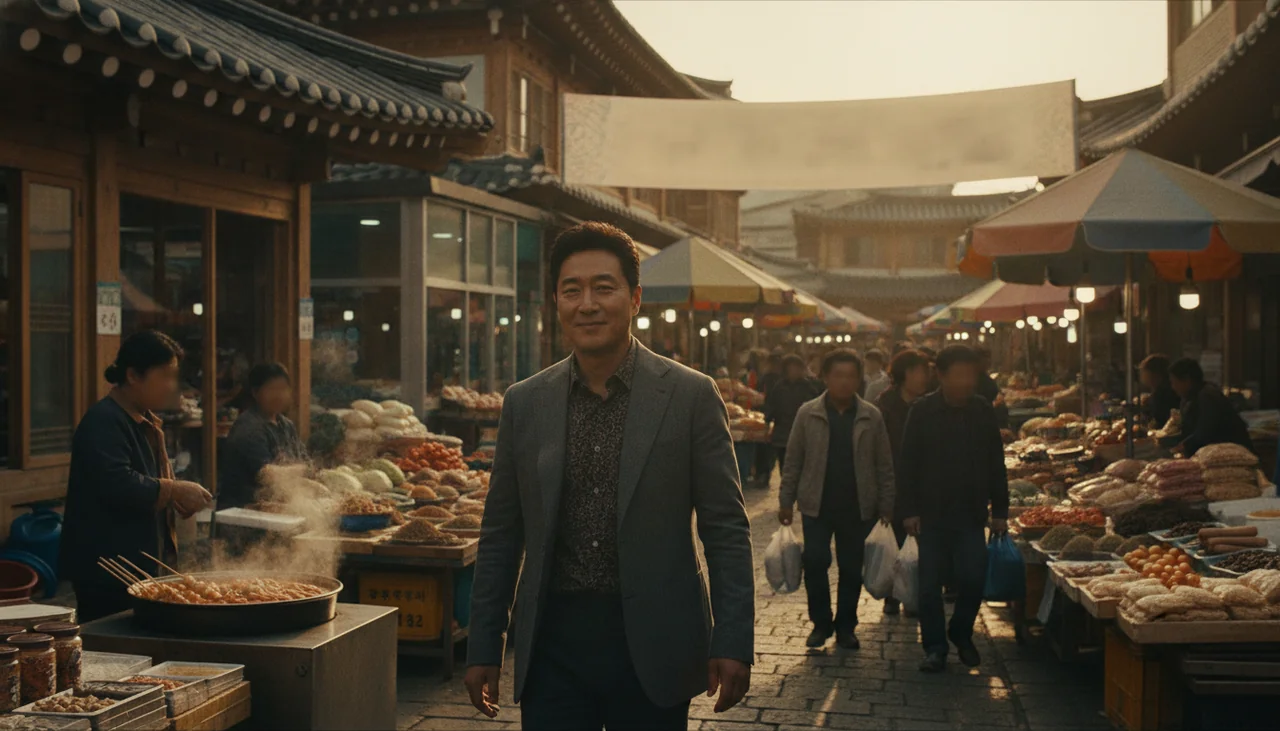
Beyond its domestic triumph, ‘Hope’ also showcases a significant international dimension, with key sequences filmed in Romania. This venture into European production highlights a growing trend of K-content seeking global collaborations, a development that local Romanian media has keenly observed. The Monitorul de Făgăraș newspaper, in an article published on July 22, 2026, detailed how director Na Hong-jin was deeply impressed by the wild beauty of the Carpathian forests, specifically in the Valea Sâmbetei and Retezat regions, which served as backdrops for the film. Keystone Films’ Laura Dulea, serving as Executive Producer, was instrumental in facilitating these shoots. This international filming not only adds a unique visual texture to ‘Hope’ but also signals potential for future co-productions, positioning Romania as a viable hub for K-content creation within Europe. It’s a strategic move that broadens the scope of Korean filmmaking and its reach.
The Swearing Debate: A Divisive Narrative Element
The visceral nature of ‘Hope’ has also sparked considerable debate among viewers, particularly concerning its liberal use of strong language. The Korea Times, in an article published on July 21, directly addressed the question: “Why so much swearing? The story behind Na Hong-jin’s ‘Hope’.” This isn’t merely a stylistic choice; it appears to be a deliberate narrative tool employed by Na Hong-jin to enhance the film’s raw intensity and realism. The Korea Herald, on July 20, noted that “Viewers are arguing over what they just watched,” and The Korea Times further elaborated on July 22 that “‘Hope’ triggers fierce debates among viewers.” This division, while potentially challenging for some, is often a hallmark of cinema that dares to push boundaries. For fans of Na Hong-jin’s previous works, this willingness to explore the darker, more abrasive aspects of human experience is not unexpected. It’s this very rawness that can forge a deeper connection with the characters and their desperate circumstances, even if it leads to uncomfortable conversations.
A Masterclass in Performance: Hwang Jung-min, Jo In-sung, and Jung Ho-yeon
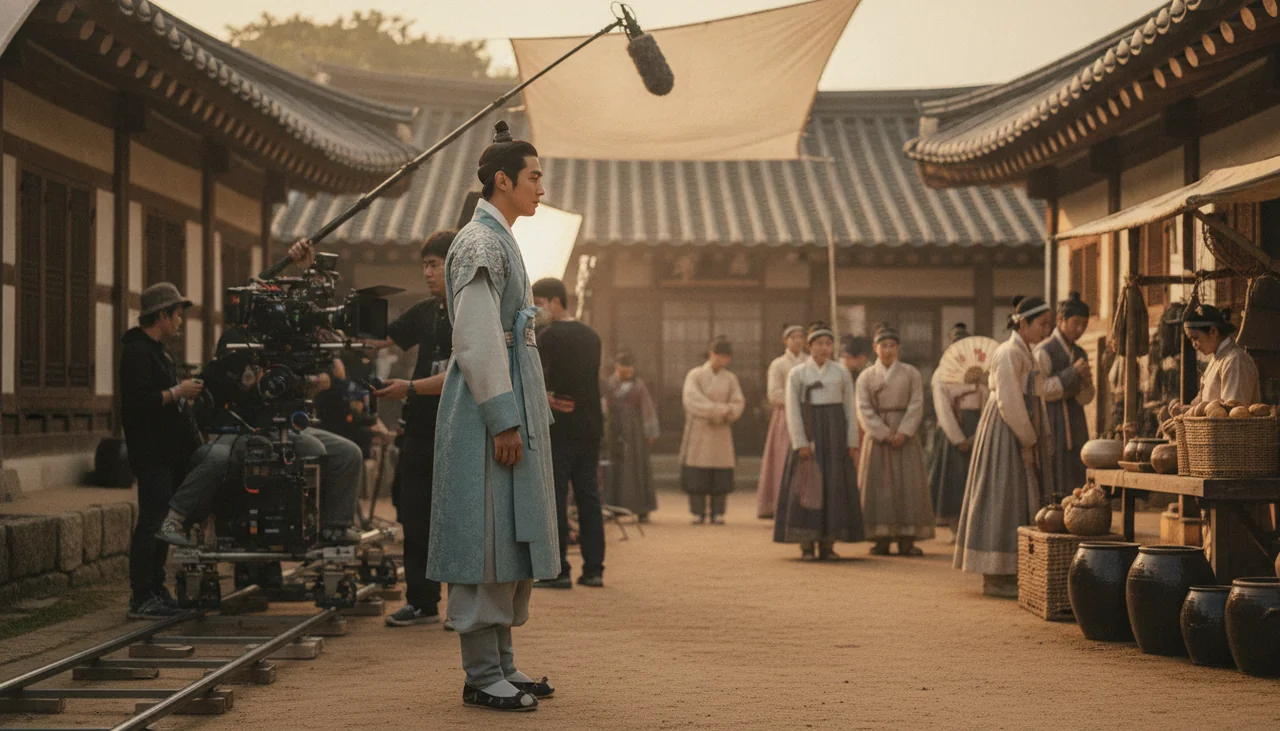
The critical acclaim and box office success of ‘Hope’ are undoubtedly fueled by its stellar cast. Hwang Jung-min, Jo In-sung, and Jung Ho-yeon deliver performances that are not just compelling but deeply etched into the fabric of the film. While the specific details of their roles and character arcs remain a subject of intense viewer discussion, their collective presence has been a major draw. The fact that ‘Hope’ has maintained its number one box office position for seven consecutive days, outperforming even established franchises like ‘Minions & Monsters’ which held second place according to Break News Reporter Park Dong-je, speaks to the drawing power of these actors and the film’s overall quality. Each performance seems to be meticulously crafted, adding layers of complexity and emotional weight. It’s this synergy between directorial vision and acting prowess that elevates ‘Hope’ beyond a mere genre film into a significant cinematic event. The chemistry between the lead actors, even if not overtly romantic, is palpable and drives the narrative forward with an undeniable force.
Beyond the Screen: What ‘Hope’ Means for K-Cinema
The success of ‘Hope’ extends beyond its immediate box office figures and critical reception. It represents a significant moment for Korean cinema on the global stage. Neon’s announcement of a theatrical release date for the film in the US, as reported by Deadline on June 1, signifies its potential to captivate international audiences. The film’s journey from its Cannes Competition selection to a record-breaking domestic opening and now a significant international distribution push demonstrates the increasing global appetite for ambitious Korean storytelling. Screen Daily’s report on May 29, highlighting ‘Hope’ setting a sales record for Korean films, further underscores its commercial viability and artistic merit. ‘Hope’ is more than just a science-fiction thriller; it’s a testament to the evolving power and sophistication of Korean filmmaking, proving that compelling narratives and bold artistic choices can achieve both critical acclaim and commercial success globally. It challenges conventions and leaves audiences contemplating the very essence of survival and humanity long after the credits roll. The film’s ability to trigger such fierce debates also suggests a depth that invites repeat viewings and sustained discussion, a hallmark of truly impactful cinema.
The Power of Na Hong-jin’s Vision
Na Hong-jin, a director known for his intense and meticulously crafted films, has once again delivered a project that is both commercially successful and artistically resonant. His directorial style, which blends genre elements with profound thematic explorations, has garnered him a dedicated following. ‘Hope’ is no exception, showcasing his ability to create immersive worlds and complex characters that linger in the audience’s mind. The film’s narrative, while rooted in science fiction, delves into universal themes of resilience, despair, and the enduring human spirit. The deliberate pacing and atmospheric tension, characteristic of Na Hong-jin’s work, are expertly employed here to build a sense of dread and anticipation. This approach, which prioritizes emotional impact and thematic depth over conventional plot devices, is what sets his films apart and draws viewers into his unique cinematic universe.
A New Benchmark for Sci-Fi in Korea
‘Hope’ is poised to set a new benchmark for the science-fiction genre within Korean cinema. While K-dramas have explored sci-fi themes with increasing frequency, films have sometimes lagged behind in delivering large-scale, impactful narratives. Na Hong-jin’s film, with its ambitious scope and thought-provoking premise, has demonstrably changed that. The film’s ability to attract such a massive audience, surpassing 2 million admissions in just five days, indicates a strong demand for high-quality Korean sci-fi that can compete on a global level. The production values, evident in the film’s visual design and special effects, are on par with international blockbusters. This success paves the way for future Korean directors to explore more complex and genre-bending stories, confident in the knowledge that there is a receptive audience eager to embrace them. The film’s success is not just a win for Na Hong-jin but for the entire Korean film industry, showcasing its growing versatility and creative ambition.
Practical Tips for Engaging with ‘Hope’
For those who haven’t yet experienced ‘Hope’, consider this your sign to dive in. Given the film’s intense nature and the viewer debates it has sparked, approaching it with an open mind is key. If you’re sensitive to strong language, be prepared, as it’s a deliberate stylistic choice. For the best cinematic experience, see it on the largest screen possible to fully appreciate the visual storytelling and immersive atmosphere. After viewing, engage with online discussions cautiously; while it’s fascinating to see the range of interpretations, remember that personal reactions to art are subjective. The film’s success means it’s likely to be available on streaming platforms soon, but experiencing it in a theater allows for the collective energy and impact that Na Hong-jin’s films are known for.
The Lingering Impact of ‘Hope’
The conversation around ‘Hope’ is far from over. Its unprecedented box office run, its international appeal, and the fervent debates it has ignited all point to a film that has made a significant mark. Na Hong-jin has once again proven his ability to craft stories that are both commercially successful and artistically profound, pushing the boundaries of what Korean cinema can achieve. As viewers continue to discuss its themes, its performances, and its bold narrative choices, ‘Hope’ solidifies its place as a landmark film of 2026, a testament to the power of visionary filmmaking and the enduring appeal of compelling storytelling. The film’s success also serves as a powerful reminder of the growing global influence of Korean culture, demonstrating that its narratives can resonate deeply across diverse audiences and cultures.
Found this helpful? Bookmark us! ⭐