The roar of the crowd, the tension of a tie-break, the sheer emotional rollercoaster of a championship point—there’s an undeniable, visceral thrill to watching a Wimbledon final. On July 16, 2026, as the echoes of this year’s epic matches still resonate, I can’t help but draw a striking parallel between the hallowed grass courts and the captivating world of K-dramas. Both demand unwavering attention, deliver heart-stopping twists, and showcase performances that transcend mere entertainment.
Just like a Grand Slam final, the best K-dramas of 2026 have served up narratives so intense, so meticulously crafted, that every episode feels like a high-stakes game. We’re not just watching stories unfold; we’re witnessing narrative athletes push boundaries, defy expectations, and ultimately, claim their place in our hearts. This season, several titles have truly embodied that championship spirit, proving that the drama on screen is every bit as compelling as the one on Centre Court.
The Opening Serve: Setting the Stage for High Stakes
What makes a K-drama feel like a Wimbledon final? It’s that immediate sense of urgency, the feeling that every decision, every revelation, could be a game-changer. From the very first episode drop day, these dramas hook you with their premise, much like a powerful opening serve. They establish the characters’ goals, their vulnerabilities, and the formidable opponents—be they external villains or internal demons—they must overcome. The stakes are clear, often life-or-death, and the emotional investment is instant.
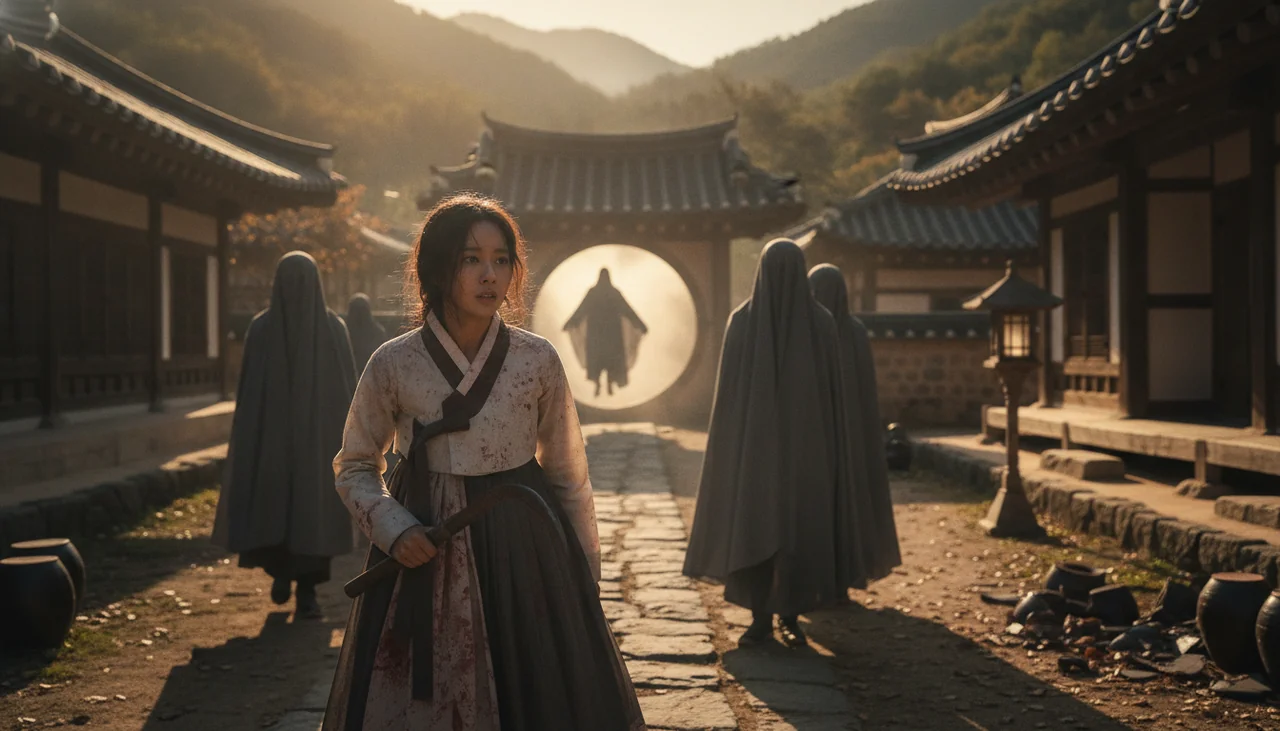
This year, K-dramas have continued their global ascent, consistently ranking high on international platforms. While specific viewership numbers for July 2026 are still being compiled, reports indicate that K-dramas frequently feature in the Netflix Global Top 10, demonstrating their broad appeal and the universal resonance of their storytelling. This global reach ensures that the “final” moments of these dramas are witnessed by millions, creating a shared experience of anticipation and resolution that rivals any major sporting event.
Sudden Death Tie-Breaks: When Every Episode Is a Grand Slam Final
Some K-dramas are designed to keep you on the edge of your seat, with twists and turns so relentless they feel like an endless rally leading to a sudden death tie-break. This is where the genre truly shines, pushing narratives to their absolute limit. Take, for instance, the chilling horror series ‘If Wishes Could Kill’ (2026, Season 1). Time Magazine reported on April 24, 2026, breaking down its intense ending, while High On Films followed up on May 3, 2026, with a recap asking “Who survives in the end?”. This 12-episode series, broadcast on a major cable network and later available for streaming, was a masterclass in psychological tension. Each week, viewers were plunged deeper into a terrifying mystery, questioning every character’s motive. The plot twists were so expertly woven that predicting the next move felt as impossible as anticipating a tennis pro’s drop shot. The ending, in particular, delivered a final, shocking blow that left audiences reeling, proving that a well-executed horror melodrama can be as emotionally exhausting and exhilarating as a five-set championship match.

Similarly, the dark K-drama “Dear X” (2025), though released in late 2025, continued to generate buzz well into 2026, with Dojeon Media reviewing its ending on December 11, 2025, calling it “not for weak hearts.” This series, known for its intense psychological depth and often makjang-level plot developments, explored the darkest corners of human nature. The protagonist’s morally ambiguous journey, fraught with betrayal and manipulation, felt like a series of increasingly difficult match points. Every episode ratcheted up the tension, leading to an inevitable, explosive climax that demanded viewers confront uncomfortable truths, much like the raw, unfiltered emotions on display during a high-pressure final.
The Unsung Champion: Second Lead Syndrome on Centre Court
Just as a Wimbledon final often features an incredible performance from a player who doesn’t ultimately lift the trophy, K-dramas frequently give us characters who, while not the main lead, steal the show and leave an indelible mark. This is the essence of “second lead syndrome,” and it was palpably felt with characters like Lee Kang from ‘Notes from the Last Row’ (2026). Lifestyle Asia Hong Kong’s analysis on June 27, 2026, pondered, “Was Lee Kang ever telling the truth?” This 16-episode drama, streamed on a popular global platform, presented Lee Kang as a complex figure whose motivations remained shrouded in mystery until the very end. His enigmatic charm and layered portrayal made viewers question loyalties, much like fans might root for an underdog player whose skill and spirit captivate them, even if the odds are stacked against them. His performance was a quiet ace, a subtle power that resonated deeply.
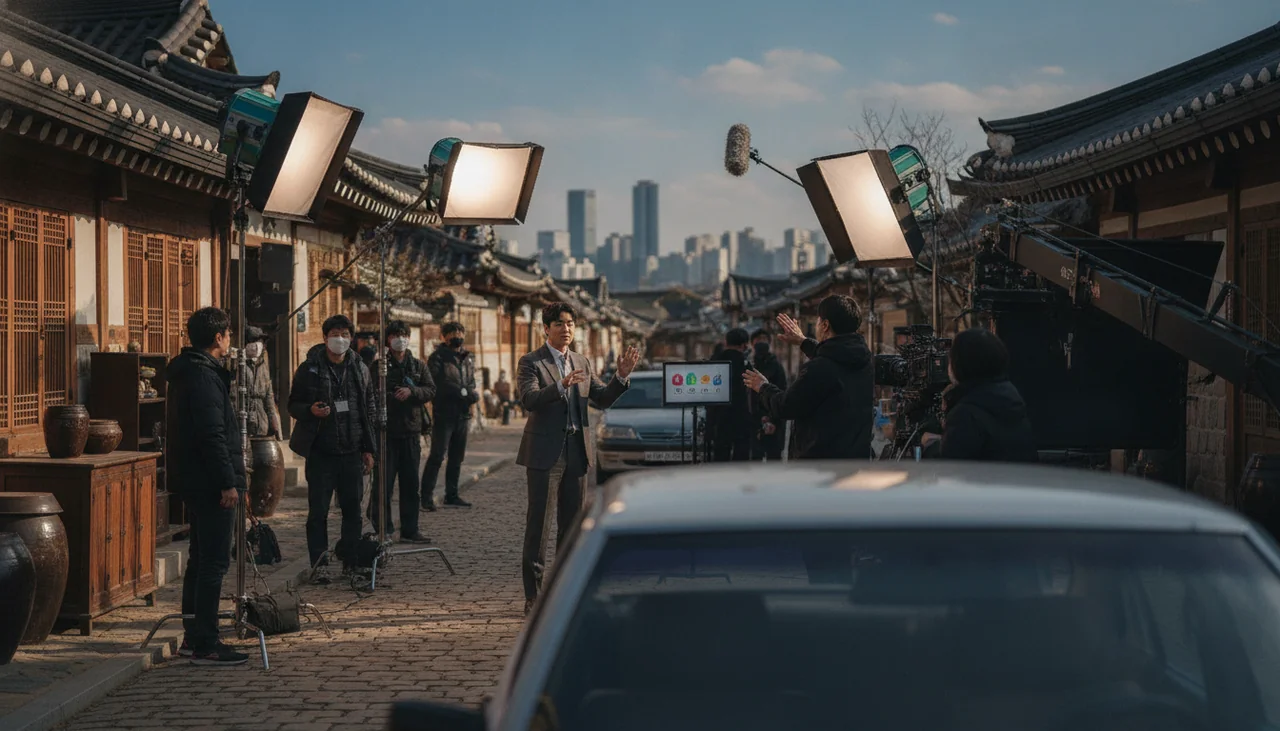
Even in films, we see these high-stakes dilemmas. Consider the movie ‘K-Pops’ (2026), which IMDb’s July 4, 2026 summary highlighted with the question: “Does Bj Choose Tae-Young Or A World Tour?” This romantic dilemma for the character Bj presents a classic “second lead syndrome” scenario in a different light – where the “second lead” might be an entire life path rather than a person. The emotional weight of such a choice, between personal connection and global ambition, mirrors the internal struggle of a player deciding between a safe play and a risky, potentially game-winning shot. It’s about the paths not taken, and the characters who represent those poignant alternatives.
Beyond the Baseline: Championship Performances in a Live-Shoot World
The pressure on K-drama actors, especially within the notorious live-shoot system, is immense. Delivering nuanced, powerful performances week after week, often with scripts finalized just days before broadcast, is akin to a tennis player maintaining peak form through multiple grueling matches. Yet, in 2026, we’ve seen incredible acting prowess that thrives under this pressure. The raw, immediate quality of these performances often adds to the authenticity, making the emotional highs and lows even more impactful.
In dramas like ‘If Wishes Could Kill’, the ensemble cast had to consistently convey terror and desperation, maintaining a heightened sense of suspense throughout its run. The actors’ ability to portray such intense emotional states, evolving with each revelation, felt like a series of perfectly executed volleys. Similarly, the central performances in ‘Dear X’ demanded incredible psychological depth, with actors diving into morally grey areas and delivering character arcs that were as disturbing as they were compelling. These were not just roles; they were complex, emotionally demanding marathons that required championship-level stamina and skill. The dedication to their craft, even under tight schedules, ensures that these K-dramas resonate with an authentic intensity that global audiences deeply appreciate.
The Global Grand Slam: K-Drama’s Unstoppable Ace
Just as Wimbledon is a global spectacle, K-dramas have firmly cemented their status as a worldwide cultural phenomenon. The consistent presence of Korean titles on global streaming platforms is a testament to their universal appeal. Nielsen Korea consistently records high domestic viewership for weekend and prime-time dramas, reflecting their enduring popularity within Korea. Simultaneously, these dramas are breaking international barriers, attracting millions of new fans. This global reach means that the “final” moments of these intensely dramatic series are experienced collectively by a diverse audience, fostering a sense of shared anticipation and discussion that rivals any major sporting event.
The ability of K-dramas to consistently produce high-quality narratives, stellar acting, and memorable OSTs that often top global charts, demonstrates an unstoppable momentum. They’ve perfected the art of the emotional arc, the suspenseful reveal, and the satisfying (or sometimes heartbreaking) conclusion, making them a true “Grand Slam” contender in the entertainment world.
Key Takeaways
Narrative Intensity: K-dramas like ‘If Wishes Could Kill’ and ‘Dear X’ offer the same high stakes and unpredictable twists as a championship tennis match. Character Depth: Complex characters, exemplified by Lee Kang in ‘Notes from the Last Row’, create “second lead syndrome” and profound emotional investment. Performance Under Pressure: The live-shoot system often pushes actors to deliver raw, powerful performances, mirroring the intensity of a Wimbledon final. Global Appeal: K-dramas continue to dominate global streaming charts and capture international audiences, making them a worldwide entertainment powerhouse. * Appreciate the Craft: When watching, pay attention to the intricate plot construction, the subtle acting choices, and how the drama builds tension—it’s like appreciating the strategic genius of a tennis pro.
Found this helpful? Bookmark us! ⭐